The Pacific Remote Islands Marine National Monument (PRIMNM) – A New Era for Commercial Fishing
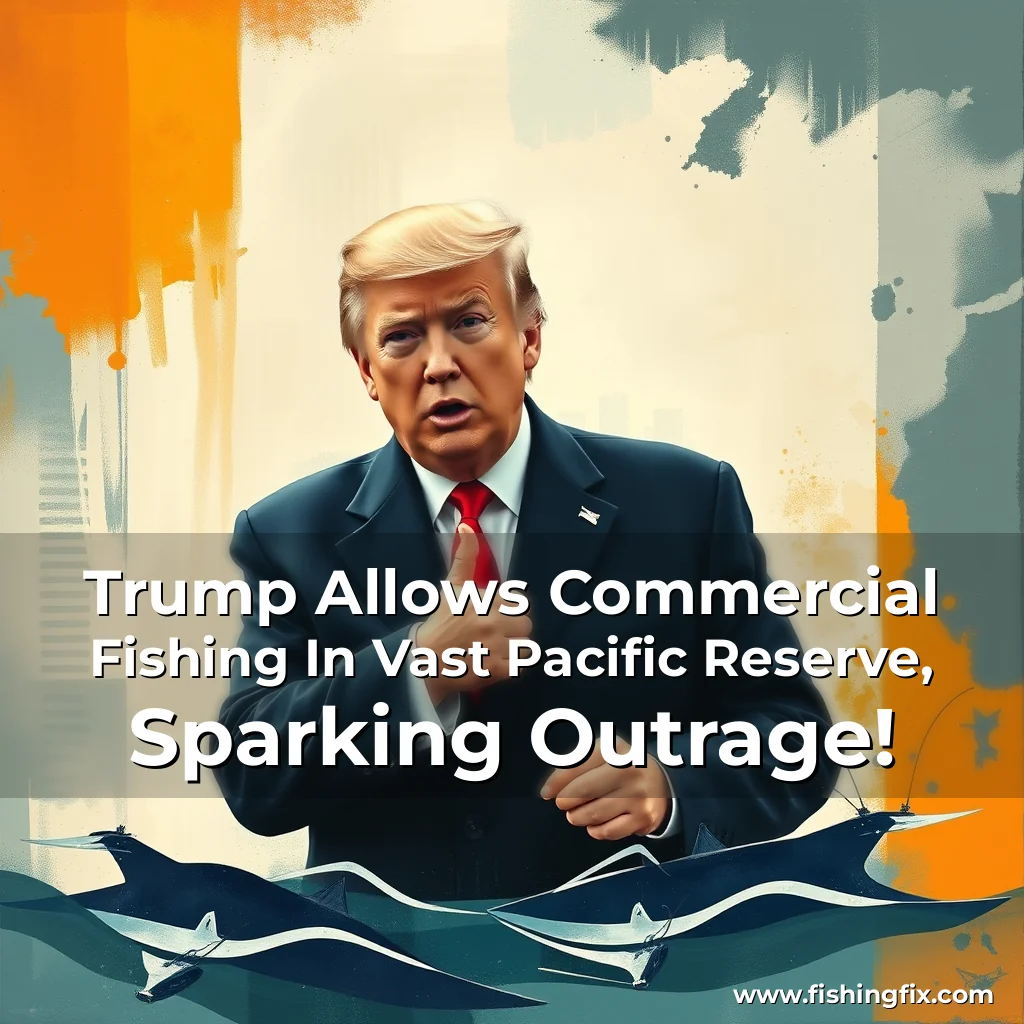
The world’s most vulnerable ecosystems in the middle of the Pacific are about to face a major transformation. A gigantic marine reserve, known as the Pacific Remote Islands Marine National Monument (PRIMNM), is set to open its waters to commercial fishing. This monumental change has been signed into law by President Donald Trump through an executive order. **A Monumental Legacy**
The PRIMNM was created in 2009 by President George W. Bush and extended by his successor Barack Obama in 2014. Today, it covers almost 1.3 million square kilometers (500,000 square miles) or almost twice the area of Texas, anchored around seven islands and atolls. This immense protected area is home to untouched coral reefs and many endangered species, including seabirds and some kinds of whales and sharks. **Banning Commercial Fishing**
Until now, commercial fishing and resource extraction activities such as undersea mining have been banned in the PRIMNM. Although traditional and sport fishing were still allowed, the restriction was put in place to safeguard the delicate ecosystem of the monument. The ban was intended to prevent the destruction of this pristine environment, which is especially vulnerable to climate change. **A Shift in Policy**
President Trump’s executive order has now lifted the ban on commercial fishing in the PRIMNM. According to the order, large swathes of waters between 50 and 200 nautical miles (93-370 kilometers) from shore will now be partially open to commercial fishing by US-flagged vessels. This change will have significant implications for the region’s marine life and the fishing industry. **Permits for Foreign Ships**
The executive order also allows foreign ships to be granted “permits… to transship fish harvested by United States fishermen.” This provision is expected to benefit the global fishing industry, which has long complained about the restrictive policies in place. **Restrictive Regulations**
President Trump has further ordered the government to “amend or repeal all burdensome regulations that restrict commercial fishing in the PRIMNM.” This move is likely to be seen as a major win for the fishing industry, which has long argued that the regulations imposed by the government have limited their ability to operate effectively. **The Environmental Impact**
The decision to allow commercial fishing in the PRIMNM is expected to have a significant impact on the environment. The monument’s waters are home to a wide range of marine life, including endangered species. The introduction of commercial fishing could lead to the destruction of these habitats and the decline of the region’s biodiversity. **A Divided Response**
The decision has been met with a divided response from environmental groups and scientists. Some have expressed concerns about the potential impact of commercial fishing on the monument’s ecosystem, while others have welcomed the move as a major breakthrough for the fishing industry. In conclusion, the lifting of the ban on commercial fishing in the PRIMNM marks a significant shift in policy. The decision is likely to have far-reaching implications for the environment, the fishing industry, and the global community. Definitions:
–
: Pacific Remote Islands Marine National Monument
–
: Not Relevant to the article
The Pacific Remote Islands Marine National Monument (PRIMNM) is a 1.3 million square kilometer marine reserve that was established in 2009 to protect the world’s most vulnerable ecosystems in the middle of the Pacific. The PRIMNM is anchored around seven islands and atolls, and it is home to untouched coral reefs and many endangered species, including seabirds and some kinds of whales and sharks. The monument’s waters are also vulnerable to climate change, which could have a devastating impact on the region’s biodiversity. The PRIMNM’s creation was the result of a collaborative effort between the US government and the Pacific Island nations, which were concerned about the impact of human activities on their marine resources. The monument’s boundaries are defined by a line that runs 50 nautical miles (93 kilometers) from the coastline, creating a no-fishing zone that is critical for the conservation of marine life. The PRIMNM is also home to numerous other protected areas, including nature reserves, wildlife refuges, and cultural sites. The monument’s waters are also rich in natural resources, including fisheries, minerals, and fossil fuels. However, the PRIMNM’s creation was not without controversy. Some critics argued that the monument’s boundaries were too narrow, and that they did not provide adequate protection for the region’s marine life. Despite these challenges, the PRIMNM has been recognized as one of the world’s most important marine protected areas, and it has been the subject of numerous scientific studies and conservation efforts. The monument’s ecosystem is characterized by a high level of biodiversity, with numerous species of plants and animals found nowhere else in the world. The PRIMNM is also home to numerous cultural and historical sites, including ancient temples, artifacts, and other archaeological remains. The monument’s cultural significance extends beyond its natural resources, and it holds great importance for the indigenous communities that live in the region. The PRIMNM’s creation has also had a significant impact on the global community, with many countries recognizing its importance and taking steps to protect it. In conclusion, the PRIMNM is a unique and important protected area that plays a critical role in the conservation of marine life and the protection of the world’s most vulnerable ecosystems. The monument’s creation was the result of a collaborative effort between the US government and the Pacific Island nations, which were concerned about the impact of human activities on their marine resources. The PRIMNM’s boundaries are defined by a line that runs 50 nautical miles (93 kilometers) from the coastline, creating a no-fishing zone that is critical for the conservation of marine life. The decision to allow commercial fishing in the PRIMNM marks a significant shift in policy, and it is likely to have far-reaching implications for the environment, the fishing industry, and the global community. The introduction of commercial fishing could lead to the destruction of this pristine environment, which is especially vulnerable to climate change. The lifting of the ban on commercial fishing in the PRIMNM will have significant implications for the region’s marine life and the fishing industry. The decision to allow commercial fishing in the PRIMNM will also have a significant impact on the environment, with the introduction of new fishing gear and practices that could lead to the destruction of this delicate ecosystem. The PRIMNM’s waters are home to a wide range of marine life, including endangered species. The introduction of commercial fishing could lead to the decline of these species and the destruction of their habitats. The lifting of the ban on commercial fishing in the PRIMNM will also have significant implications for the global fishing industry, with the potential for increased catches and revenue. However, the decision to allow commercial fishing in the PRIMNM also raises concerns about the potential impact on the environment. The PRIMNM’s ecosystem is characterized by a high level of biodiversity, with numerous species of plants and animals found nowhere else in the world.