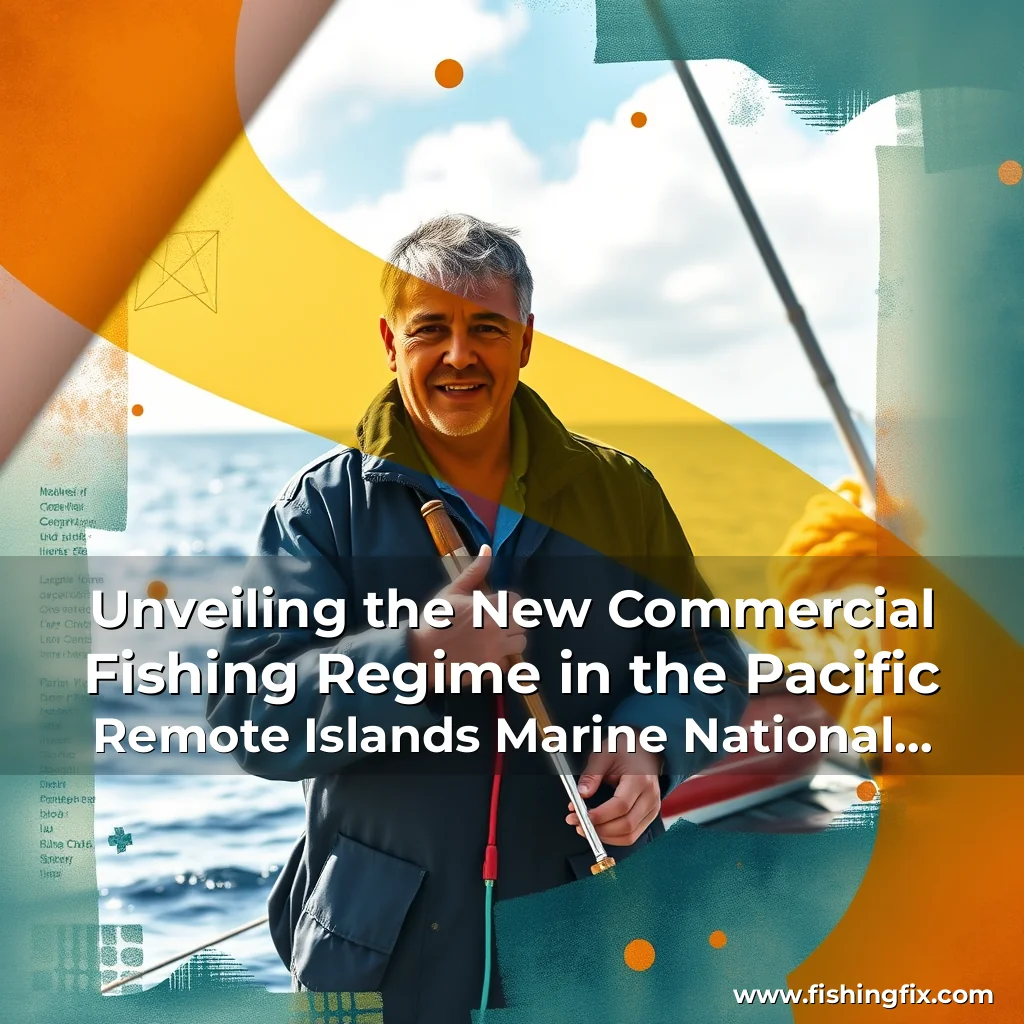
In a move that has sent shockwaves throughout the environmental community, President Donald Trump has signed an executive order allowing commercial fishing in the Pacific Remote Islands Marine National Monument (PRIMNM), a protected area spanning nearly 1.3 million square kilometers in the middle of the Pacific Ocean.
The Creation of the Pacific Remote Islands Marine National Monument
The PRIMNM was established in 2009 by former President George W. Bush and expanded by his successor Barack Obama in 2014. This marine reserve is home to some of the most pristine and untouched ecosystems on the planet, including coral reefs, diverse marine life, and seabirds.
- Created in 2009 by President George W. Bush
- Expanded in 2014 by President Barack Obama
The Banned Activities
Prior to the executive order, commercial fishing and resource extraction activities, such as undersea mining, were prohibited within the PRIMNM. However, traditional and sport fishing were still allowed. The ban was intended to protect the delicate balance of the ecosystem and preserve the monument’s unique characteristics.
The New Commercial Fishing Regime
According to the executive order, large swathes of the waters between 50 and 200 nautical miles from shore will now be partially open to commercial fishing by US-flagged vessels. Foreign ships could be granted permits to transship fish harvested by United States fishermen. The goal is to allow US fishermen to compete with foreign fleets while minimizing the impact on the fragile ecosystem.
| Regime Type | Area Open to Commercial Fishing |
|---|---|
| Partially Open | 50-200 nautical miles from shore |
| Permit-Required | Foreign ships |
The Environmental Impact
The PRIMNM’s waters are home to many endangered species, including seabirds, whales, and sharks. The reserve is also particularly vulnerable to climate change, with large areas of the waters between 50 and 200 nautical miles from shore showing signs of degradation. Allowing commercial fishing in this area may exacerbate these issues and threaten the long-term sustainability of the ecosystem.
Trump’s Motivations
President Trump has stated that the ban on commercial fishing was “disadvantageous to honest US commercial fishermen” who were forced to fish further offshore to compete with poorly regulated foreign fleets. He argues that “appropriately managed commercial fishing” would not put the objects of scientific and historic interest within the PRIMNM at risk.
The PRIMNM is especially vulnerable to climate change due to its unique location in the Pacific Ocean, where the warmth of the surface waters meets the cooler deep waters. This phenomenon creates a unique environment that is home to many endemic species.
Challenges Ahead
As the new regime comes into effect, several challenges will arise, including the need to balance commercial fishing with environmental protection, ensuring the sustainability of the fish populations, and addressing the concerns of the local communities.
The Future of the Pacific Remote Islands Marine National Monument
The signing of the executive order marks a significant shift in the management of the PRIMNM, with far-reaching consequences for the environment, the fishing industry, and the local communities. As the ecosystem continues to face the challenges of climate change, it remains to be seen how the new regime will be implemented, and whether it will ultimately lead to the protection of this unique and fragile environment.