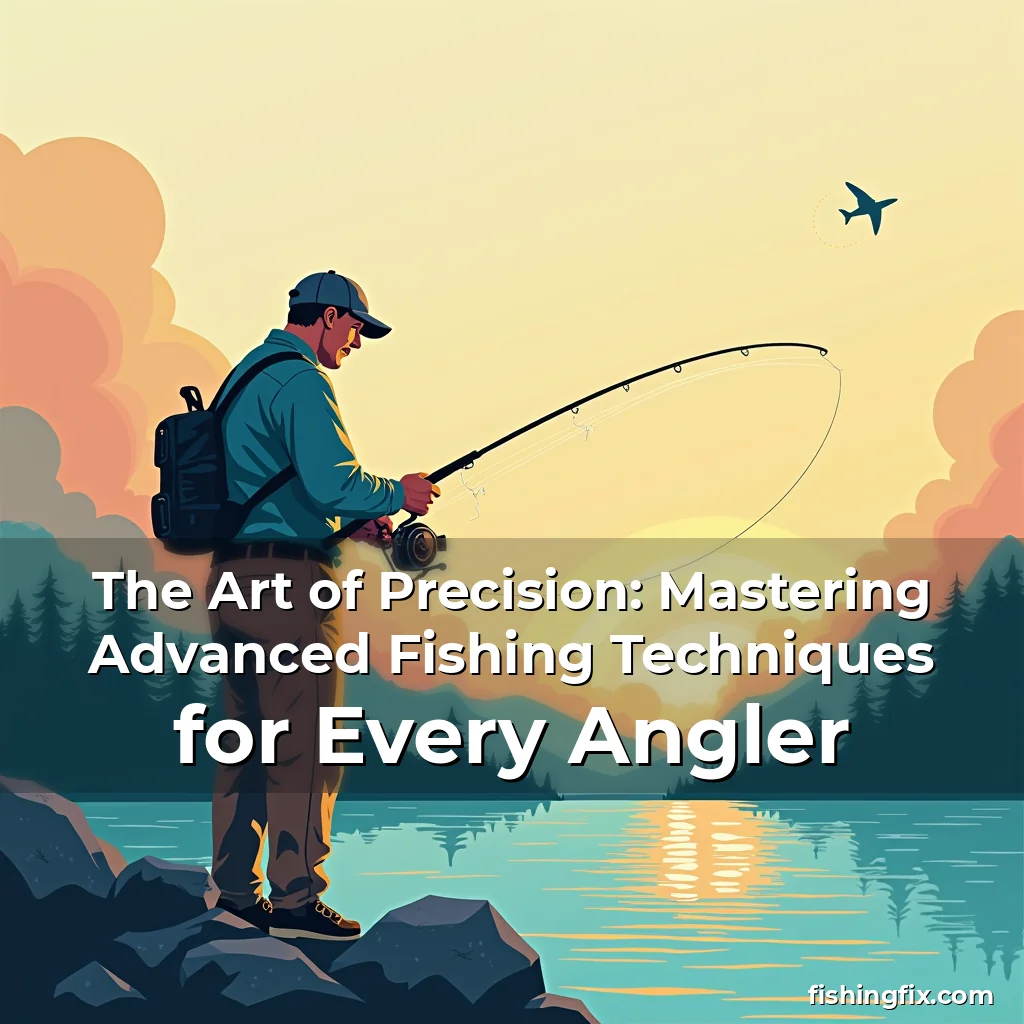
The Art of Precision: Mastering Advanced Fishing Techniques for Every Angler
Fishing is an ancient practice that has evolved significantly over time, blending tradition with modern innovation. Whether you’re casting your line from a boat, along the shore, or in freshwater lakes, mastering advanced fishing techniques can transform casual angling into a refined art form.
This guide explores specialized methods tailored for different environments and species, empowering both novice and experienced anglers alike to enhance their catch rates and overall enjoyment of the sport.
Casting Mastery: The Foundation of Effective Angling
Casting technique forms the backbone of successful fishing expeditions. A smooth, controlled cast ensures accuracy and reduces the likelihood of spooking fish near the water’s edge.
Beginners often struggle with distance versus precision—mastering the balance between these two aspects allows for greater adaptability across various fishing scenarios.
- Overhead Cast: Ideal for open waters where long-distance casts are necessary; requires proper body mechanics to avoid back strain.
- Sidearm Cast: Perfect for tight spaces such as rivers or dense vegetation; minimizes risk of snagging obstacles while maintaining reasonable range.
Practicing regularly improves muscle memory and enhances coordination, making complex casts second nature during critical moments on the water.
Incorporating weighted lures or sinkers can further refine casting performance by adjusting how quickly bait reaches its target depth.
Tackle Selection: Choosing the Right Gear for Success
Selecting appropriate tackle is crucial for optimizing your chances of catching desired species. Different baits require specific rod actions, reel types, and line strengths to ensure optimal results.
Rod power ratings dictate how well they handle varying levels of resistance—light rods suit smaller fish, whereas heavy-duty models excel at landing larger specimens like bass or pike.
Reel Types and Their Applications
Baitcasting reels offer superior control when targeting aggressive predators but demand more skill due to potential backlash issues. Spinning reels provide smoother retrieves ideal for finesse presentations involving soft plastics or live bait.
Choosing between gear ratios also impacts retrieval speed—an 8:1 ratio enables faster reeling compared to a slower 5:1 option suited for deep-water applications requiring extended soak times.
Line strength must match both environmental conditions and prey size; monofilament offers stretch which helps absorb sudden pulls from fighting fish, while fluorocarbon provides low visibility advantages in clear waters.
Understanding these fundamentals equips anglers with knowledge essential for adapting equipment choices based on seasonal changes and targeted species behaviors.
Fluoroscopy and Bait Presentation: Enhancing Lure Effectiveness
Proper presentation of artificial lures plays a pivotal role in enticing bites from wary fish populations. Fluorescent colors become highly visible under certain lighting conditions, increasing attraction opportunities especially during low-light periods.
Varying retrieve speeds mimics natural movement patterns—slow twitches simulate injured prey, rapid jerks mimic fleeing minnows, and steady retrieves replicate schooling behavior seen among many aquatic species.
Using weedless hooks prevents snags without compromising hookset effectiveness, particularly beneficial around submerged structures or thick vegetation zones.
Adding scent attractants through liquid additives or scented baits intensifies olfactory cues that draw curious fish closer before striking.
Predator Behavior Analysis: Reading Fish Patterns
Observing predator-prey interactions reveals vital clues regarding feeding habits and preferred hunting grounds. Schools forming near drop-offs indicate active foraging activity, signaling prime locations for ambush tactics.
Water clarity affects visibility ranges—if surface reflections appear too bright or murky, adjusting lure color contrast becomes imperative for maximizing detection distances.
Wind direction influences current flow dynamics; understanding these movements aids in predicting where food sources accumulate naturally within ecosystems.
Time-of-day transitions create distinct behavioral shifts—early mornings see increased aggression among predatory fish seeking energy boosts post-dawn.
Lake Management Strategies: Adapting to Environmental Changes
Ecosystem fluctuations necessitate flexible approaches towards location selection and timing considerations. Seasonal migrations alter distribution maps entirely, demanding updated reconnaissance efforts prior to each outing.
Monitoring weather forecasts proves invaluable—rising barometric pressures correlate positively with heightened bite activity, whereas falling trends may trigger temporary lethargy phases.
Implementing GPS logging systems tracks productive hotspots accurately, allowing future reference points regardless of changing landscape features over time.
Participating in local fisheries management programs fosters sustainable practices ensuring continued access to healthy stocks year-round.
Underwater Mapping Technologies: Navigating Hidden Structures
Modern sonar devices revolutionize underwater exploration capabilities, revealing unseen contours beneath seemingly featureless surfaces. Side-scan imaging identifies structural anomalies invisible to traditional visual inspections.
Combining multiple frequency outputs enhances resolution quality, distinguishing fine details like rock formations or root clusters otherwise difficult to detect manually.
Data collection routines establish baseline readings against which subsequent comparisons measure ecological stability indicators effectively.
Utilizing thermal layers analysis assists in pinpointing thermally stratified regions attracting temperature-sensitive gamefish congregations.
Cold Water Tactics: Targeting Winter Species
Different physiological responses govern cold water behavior patterns; metabolism slows considerably reducing appetite intensity unless triggered adequately through stimuli.
Employing slow-moving presentations becomes increasingly effective since sluggish fish respond better to deliberate motions rather than erratic ones.
Optimal lure selections include jig heads paired with silicone worms offering subtle vibrations detectable even amidst reduced sensory perception states.
Maintaining consistent pressure exertion through regular cranking intervals stimulates reflexive strikes despite diminished responsiveness typically observed during colder months.
Ice Fishing Innovations: Expanding Your Horizons
Winter presents unique challenges yet opens doors to exclusive experiences accessible only via ice-covered bodies of water. Specialized auger tools facilitate hole drilling efficiently minimizing physical strain associated with manual labor traditionally required.
Thermal insulation properties inherent within modern shelter designs maintain internal temperatures comfortably enabling prolonged stays without risking hypothermia risks.
Electro-fishing units represent cutting-edge advancements providing instantaneous feedback mechanisms useful for identifying nearby concentrations instantly thereby enhancing efficiency dramatically.
Remote monitoring solutions allow real-time data acquisition regarding subsurface activities aiding strategic decision-making processes seamlessly integrated into daily operations.
Conservation Ethics: Preserving Our Natural Resources
Responsible angling contributes significantly toward ecosystem preservation initiatives globally. Practicing selective harvesting policies preserves breeding stock integrity promoting population sustainability metrics favorably.
Adhering strictly to designated creel limits safeguards against overexploitation threats ensuring replenishment cycles remain intact facilitating continuous recreation possibilities indefinitely.
Engaging actively within conservation organizations amplifies collective impact achieved collectively surpassing individual contributions exponentially creating broader awareness campaigns educating wider audiences comprehensively.
Supporting research endeavors focused on habitat restoration projects directly benefits wildlife communities indirectly benefiting human stakeholders simultaneously achieving dual objectives harmoniously aligned mutually reinforcing goals synergistically.
Conclusion
Mastering diverse fishing techniques elevates recreational pursuits transforming them into deeply rewarding experiences filled with anticipation and fulfillment.
By embracing innovative strategies alongside traditional wisdom, every angler possesses latent potential waiting to be unlocked contributing meaningfully towards preserving cherished traditions sustainably navigating evolving landscapes responsibly.