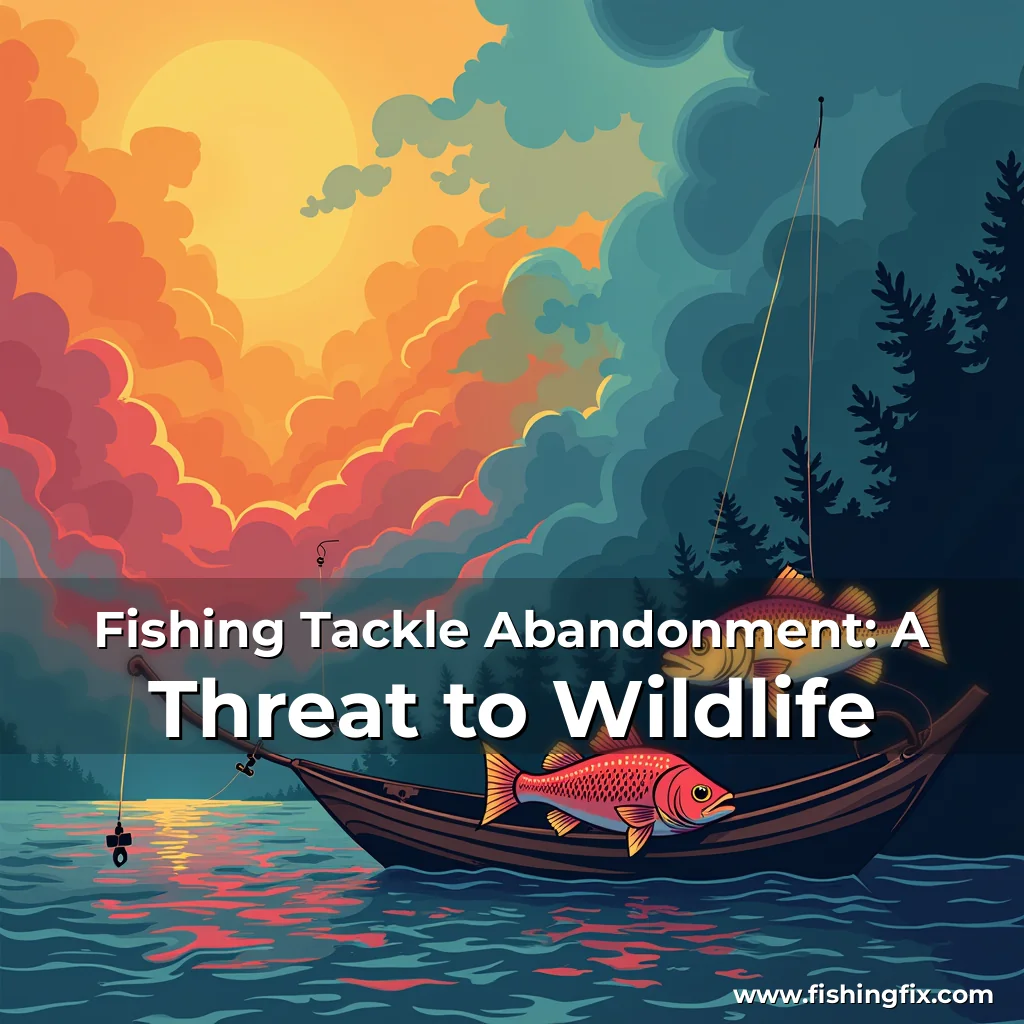
The recent incidents of discarded fishing tackle causing harm to wildlife, particularly swans, serve as a stark reminder of the dangers of leaving waste behind. The animal welfare charity, RSPCA, has been working tirelessly to address this issue, and their efforts are yielding results.
- The RSPCA has been dealing with a significant number of cases involving discarded fishing tackle, with such incidents accounting for around 34 percent of all litter-related calls received by the charity last year.
- These cases involve not only the physical harm caused by the discarded tackle but also the psychological trauma experienced by the animals.
- Moreover, the RSPCA has reported that many anglers are careful when fishing, but a small number are letting the community down by not disposing of their waste properly and leaving animals in danger.
The RSPCA has reiterated its call to action, urging those who enjoy fishing to make sure they leave nothing behind. The charity emphasizes that even a small piece of snagged line can pose a significant threat to wildlife, particularly water birds like swans, geese, and ducks.
| Key Statistics | Discarded Fishing Tackle Incidents | Percentage of Litter-Related Calls |
|---|---|---|
| 34% | 751 incidents | last year |
The RSPCA’s efforts have resulted in the rescue of two swans within days of each other, both of whom were found entangled in discarded fishing tackle. The first incident involved a female swan at Fiddlers Ferry Marina in Penketh, who was seen struggling to free herself from the tangled fishing line.
“Those who call us are going to monitor the swans at both locations. It’s been a team effort to get these birds treated and reunited with their families, although both incidents could have been avoided if a little more care had been taken. It’s always great to have a reminder of what we can all achieve together for animal welfare.” – Leanne Cooper, RSPCA Inspector
The swan was so tightly wrapped in fishing line that she was unable to stand or swim, with multiple entry points visible where two barbed hooks had become embedded. RSPCA Inspector Leanne Cooper attended the scene on June 30 and took the swan for immediate treatment at Rutland House Vets in St Helens. “The veterinary team at Rutland House were brilliant on both occasions and the people who called us are going to monitor the swans at both locations. It’s been a team effort to get these birds treated and reunited with their families, although both incidents could have been avoided if a little more care had been taken. It’s always great to have a reminder of what we can all achieve together for animal welfare.” – Leanne Cooper, RSPCA Inspector
The RSPCA’s efforts to address the issue of discarded fishing tackle have been met with mixed reactions. While some anglers are taking steps to dispose of their waste properly, others are continuing to let the community down by not doing so. Highlights of the RSPCA’s Efforts
- Rescue and rehabilitation of animals affected by discarded fishing tackle.
- Education and awareness campaigns to promote responsible fishing practices.
- Collaboration with anglers and fishing organizations to implement waste management systems.
The RSPCA’s definition of discarded fishing tackle includes not only the physical waste but also the hazards it poses to wildlife, such as barbed hooks and plastic netting.
- Physical waste: fishing lines, hooks, nets, and other discarded tackle.
- Hazards: barbed hooks, plastic netting, and other materials that can cause harm to wildlife.
The RSPCA urges those who enjoy fishing to take responsibility for their actions and make sure they leave nothing behind. The charity emphasizes that even a small piece of snagged line can pose a significant threat to wildlife, particularly water birds like swans, geese, and ducks. “Old fishing lines can cut deeply into the flesh of water birds like swans, geese and ducks, affecting circulation and causing wounds to become seriously infected. Discarded line in particular is a terrible hazard for wildlife as it can be almost invisible.” – Leanne Cooper, RSPCA Inspector
“Sometimes we see birds that have swallowed barbed fishing hooks, so these hazards can very quickly become a matter of life or death. We strongly urge those who enjoy fishing to make sure they leave nothing behind. It only takes one piece of snagged line to be left in a tree or dropped near the water to endanger an animal’s life.” – Leanne Cooper, RSPCA Inspector
Examples of the Dangers of Discarded Fishing Tackle
- A swan was found entangled in a discarded fishing net, with multiple barbed hooks embedded in its feathers.
- A goose was seen struggling to free itself from a snagged fishing line, which was wrapped around its neck.
- A duck was rescued after swallowing a barbed fishing hook, which caused serious injury to its beak.
These examples illustrate the severity of the problem and the need for responsible fishing practices to prevent animal suffering.
Conclusion
The recent incidents of discarded fishing tackle causing harm to wildlife serve as a stark reminder of the importance of responsible fishing practices. The RSPCA’s efforts to address this issue have been met with mixed reactions, but the charity’s message remains clear: even a small piece of snagged line can pose a significant threat to wildlife. By taking responsibility for their actions and making sure they leave nothing behind, anglers can help prevent animal suffering and promote animal welfare.