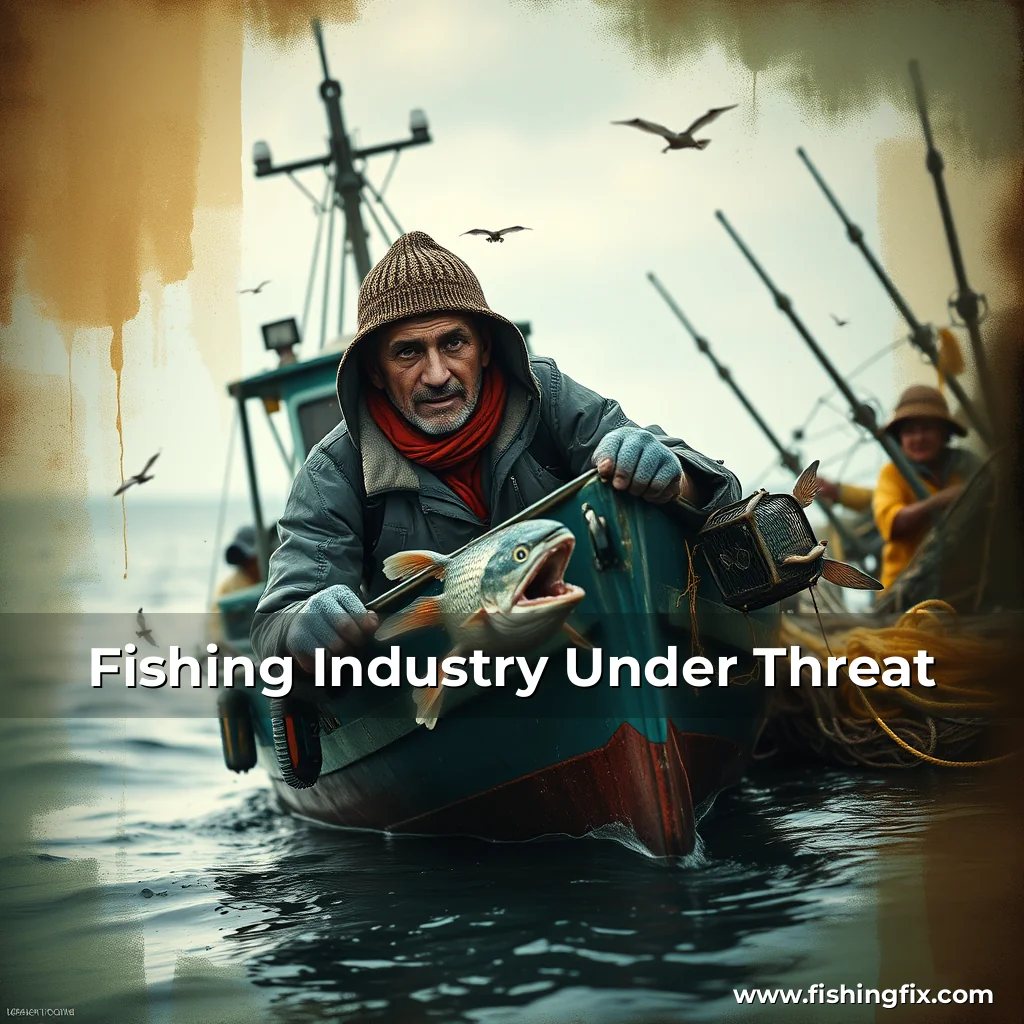
Fishing is a significant contributor to the US economy, generating nearly $100 billion in revenue each year. This industry not only supports local communities but also creates jobs, contributing to the overall economic well-being of the country. However, the fishing industry is facing a growing threat due to climate change. Recent research has revealed that 87% of rivers studied across the US and Europe are warming, with 70% losing oxygen levels. This warming effect is not only harming the fish but also the livelihoods of those dependent on the industry. Brian Sheppard, a guide on the historic Beaver Kill River in New York’s Catskill Mountains, has seen the devastating impact of climate change on his industry. As a part of the $750 million US fly fishing industry, he is finding it increasingly challenging to make a living. “The climate change is starving the oxygen out of the water,” said Sheppard. “It’s raising the water temperature, and it’s killing off trout.”
Sheppard has witnessed a significant decline in the water temperature, which has reduced the number of fish available for catching. “Nowadays we’re hitting that threshold for good fishing for two to three months out of the year in the middle of summer,” he said. “You catch one of these fish and it will kill them right away.”
The decline in fish populations is not only affecting the local fishing-tourism economy but also the livelihoods of those who depend on it. “If you go to the museums around here, you’ll see pictures of people catching hundreds and hundreds of brook trout out of these streams,” said Jeff Skelding, the executive director of Friends of the Upper Delaware River. “That has changed, you’re not going to do that anymore.”
Skelding’s nonprofit organization works to protect the river and the fishing tourism industry by removing old dams and reinforcing banks to keep them from filling up with sediment. The goal is to restore the natural flow of the river, which is cooler the faster it flows. “The impacts of climate change, erosion, sedimentation, and development threats are not very different from what we see in many parts of the country,” said Skelding. “We’re not just fighting for this river; we’re fighting for the livelihoods of people who depend on it.”
Despite the challenges, Sheppard remains optimistic about the future of the fishing industry. “It’s actually about introducing people to a way that their life can improve and we try to expose them to the magic of this place so that they’ll save it,” he said. **Conservation Efforts**
To combat the effects of climate change, various conservation efforts are underway. Some of these efforts include:
• Removing old dams and reinforcing banks to restore natural flow
• Protecting aquatic habitats and reintroducing native species
• Promoting sustainable fishing practices and reducing waste
• Raising awareness about the impact of climate change on the fishing industry
These conservation efforts aim to mitigate the effects of climate change on the fishing industry and restore the natural balance of the river ecosystem. **The Future of Fishing**
The fishing industry is not just a source of food; it’s also a significant contributor to the local economy. As the climate continues to change, it’s essential to find ways to mitigate its impact on the industry. By working together, we can ensure the long-term sustainability of the fishing industry and the livelihoods of those who depend on it.
Climate Change Affects River Ecosystem
Climate change is having a profound impact on river ecosystems across the US and Europe. According to recent research, 87% of rivers studied are warming, with 70% losing oxygen levels. This warming effect is not only harming the fish but also the other aquatic species that depend on the river.
| Effect of Climate Change on Rivers | Consequences for Fishing Industry |
|---|---|
| River warming | Reduced fish populations, changes in fish distribution |
| Loss of oxygen levels | Reduced fish populations, increased fish mortality |
| Erosion and sedimentation | Changes in river flow, reduced habitat for aquatic species |
| Development threats | Changes in river flow, reduced habitat for aquatic species |
As the climate continues to change, it’s essential to take action to mitigate its impact on the fishing industry. By understanding the effects of climate change on rivers and taking steps to protect the ecosystem, we can ensure the long-term sustainability of the fishing industry.
The Role of Nonprofits
Nonprofit organizations play a crucial role in protecting the fishing industry and the river ecosystem. By working with local communities, governments, and other stakeholders, nonprofits can help to:
• Protect and restore aquatic habitats
• Promote sustainable fishing practices
• Raise awareness about the impact of climate change on the fishing industry
• Support research and conservation efforts
In the case of Friends of the Upper Delaware River, the nonprofit organization is working to protect the river and the fishing tourism industry by removing old dams and reinforcing banks to keep them from filling up with sediment.
Conclusion
The fishing industry is facing a significant threat due to climate change. However, by working together and taking action to mitigate its impact, we can ensure the long-term sustainability of the industry. Conservation efforts, such as removing old dams and promoting sustainable fishing practices, are underway to protect the river ecosystem and the livelihoods of those who depend on it. By supporting these efforts, we can help to preserve the magic of the fishing industry for future generations.