The Ultimate Dive into Bait and Lure Mastery: Secrets Every Angler Should Know
In the world of angling, where patience meets precision, the choice between bait and lures can make or break your success on the water. Whether you’re casting from a boat, standing at the edge of a lake, or wading through shallow streams, understanding the nuances of bait and lure selection is essential.
This guide delves deep into the art and science behind these critical tools, offering expert insights that cater to both seasoned fishermen and those new to the sport. From natural baits to artificial lures, we explore what makes each effective under different conditions and how they influence fish behavior.
Bait vs. Lure: Understanding Their Core Differences
Bait refers to any food item used to attract fish, typically categorized as either live or dead. Live bait includes creatures such as worms, minnows, and insects, while dead bait might be cut bait, squid, or other preserved fish parts. These options are particularly useful when targeting species known for their predatory instincts.
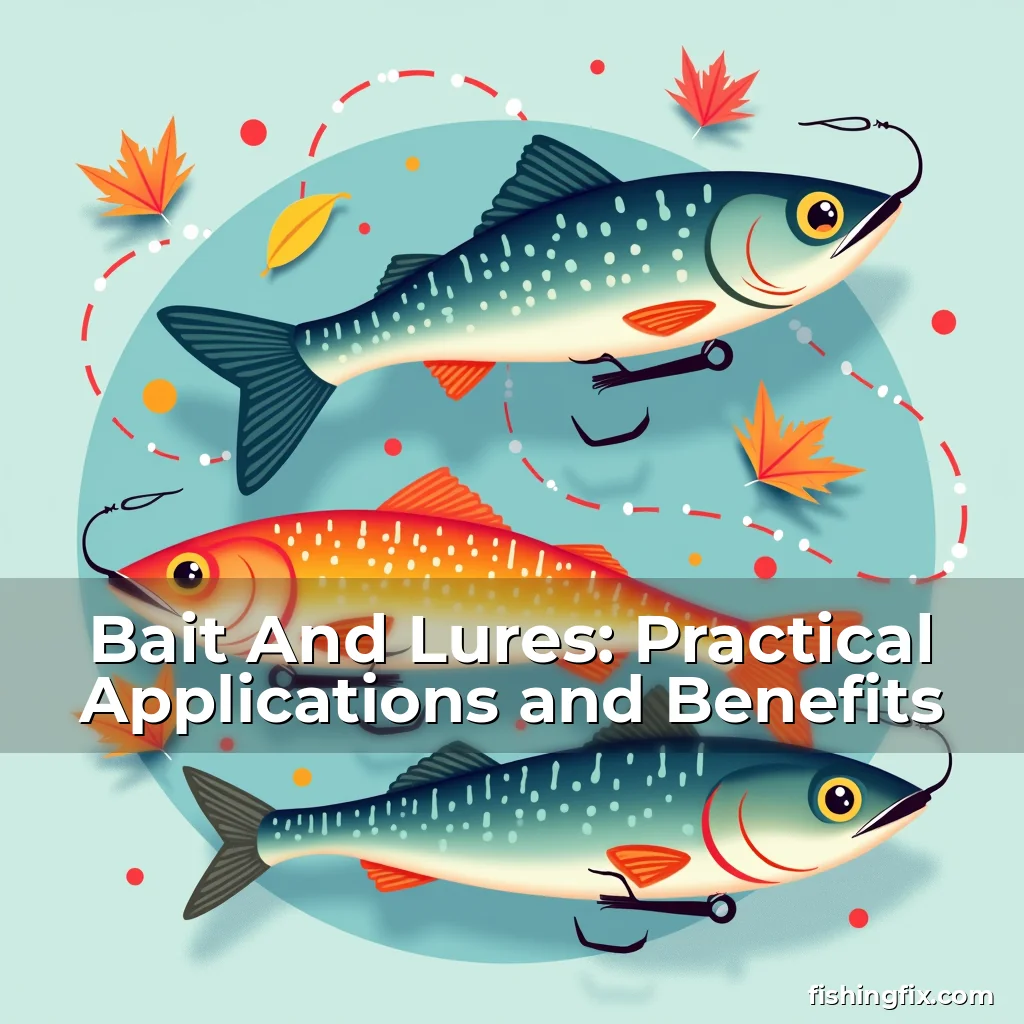
Lures, on the other hand, are man-made imitations designed to mimic prey. They come in various forms including spinners, crankbaits, soft plastics, and topwater plugs. Unlike bait, which relies entirely on scent and taste, lures depend heavily on movement and presentation to entice strikes.
Live bait offers several advantages:
- Natural attraction: Fish recognize live prey by sight, smell, and sound, making them highly responsive to real movements.
- Versatility: Many species prefer live bait due to its authenticity; it’s especially effective during low-light conditions or when fish are less active.
- Scent appeal: The natural oils released by living organisms create an irresistible trail that draws curious fish closer.
Lures also have distinct benefits:
- Predictability: Artificial lures allow anglers to control every aspect of their presentation—from speed to depth—ensuring consistent results across varying environments.
- Cost-effectiveness over time: Although initial costs may vary significantly depending on quality, high-quality lures often last longer than perishable baits requiring frequent replacement.
- Ease of use: Some lures require minimal skill once mastered but offer tremendous potential rewards when properly matched against target species’ behaviors.
Selecting the Right Bait Based on Target Species
Fishing success hinges largely upon selecting appropriate bait types tailored specifically towards the targeted species. Different fish exhibit unique feeding habits influenced by factors like habitat preferences, diet composition, and environmental cues.
To determine optimal choices, consider common diets among local populations—you’ll find that some fish primarily consume plant matter whereas others rely almost exclusively on animal protein sources. Researching seasonal patterns further refines decision-making processes regarding what works best during particular times of year.
Differentiating Between Freshwater & Saltwater Preferences
While freshwater lakes harbor diverse lifeforms ranging from bass to catfish, saltwater ecosystems present even greater variety encompassing trout, snapper, grouper, mackerel, etc. Each environment hosts specialized dietary needs reflecting broader ecological dynamics.
For instance, many marine predators thrive off rich currents carrying nutrient-dense planktonic material while inland waters support communities sustained mainly via terrestrial inputs like fallen leaves decomposing within aquatic systems. Recognizing these differences ensures better alignment between chosen methods and actual availability of preferred foods available locally.
Top Natural Baits That Work Across Various Environments
Nature provides ample resources suitable for attracting numerous fish species without relying solely on synthetic alternatives. Worms remain universally popular owing partly to ease accessibility coupled with effectiveness spanning multiple habitats.
Maggots prove another excellent option especially favored by carp enthusiasts who appreciate their small size combined with strong scent profiles capable stimulating aggressive responses from bottom dwellers seeking easy meals.
Crustaceans represent yet another category worth exploring—shrimp, krill, and crabs serve not only as direct sustenance items but also contribute indirectly toward overall ecosystem balance by acting as intermediate links connecting primary producers up through apex consumers.
Artificial Lures Designed for Specific Fishing Techniques
Modern technology has revolutionized traditional approaches allowing creation of sophisticated devices mimicking realistic motions found naturally occurring prey items. Spinners utilize metal blades spinning around central shafts producing flashes visible underwater thereby triggering instinctual reactions similar those elicited by injured schooling fish.
Crankbaits feature weighted bodies rigged with treble hooks enabling controlled descent rates perfect matching swimming depths occupied by various game fish varieties. Soft plastic baits made from silicone-based compounds offer flexibility akin real flesh tissues enhancing believability during retrieval phases.
Topwater plugs stand out amongst surface-oriented tactics employing floating mechanisms generating splashes or disturbances above waterline prompting predatory instincts leading quick bites from ambushing species lurking beneath waves ready pounce upon perceived vulnerabilities displayed targets.
How Environmental Conditions Influence Optimal Choices
Weather patterns play crucial roles determining most effective strategies employed while pursuing desired catches. Cloud cover affects light penetration levels altering visibility ranges impacting sensory reliance placed upon visual stimuli versus olfactory signals emitted through scents carried along current flows.
Temperature fluctuations dictate metabolic activity rates influencing hunger drives among resident populations. Warmer temperatures accelerate digestion cycles increasing appetites whereas colder periods slow down internal functions reducing urgency associated eating behaviors unless driven necessity arising from energy conservation demands.
Seasonal Variations Affecting Selection Decisions
Springtime brings about significant shifts requiring adjustments regarding what constitutes ideal offerings presented before eager mouths. During spawning seasons certain species become more selective favoring specific textures colors matching eggs laid females laying groundwork future generations.
Fall transitions mark preparation stages wherein individuals stockpile reserves ensuring survival through harsh winter months ahead thus becoming receptive toward richer calorie dense feeds promising immediate gratification without long term commitment implied by smaller snacks previously consumed regularly.
Advanced Tips For Enhancing Presentation Skills With Both Bait And Lure Types
Mastering technique involves refining subtle aspects surrounding how materials interacted with surroundings creating illusions convincing enough trick brainwired responses resulting successful captures. Proper rigging configurations ensure secure attachment preventing accidental loss after hard fought efforts yielding precious specimens worthy admiration.
Rig setups differ considerably based upon whether using live specimens needing careful handling procedures compared against inert objects demanding precise positioning relative background elements contributing realism required sparking interest potential victims.
Retrieval speeds must match behavioral expectations exhibited native inhabitants occupying respective territories. Too fast causes rejection since doesn’t align expected escape velocities observed normal quarry; too slow triggers suspicion raising concerns regarding legitimacy encountered object potentially non-food related intrusions disrupting routine activities.
Common Mistakes To Avoid When Using Bait Or Lures
Newcomers frequently commit errors stemming from lack experience familiarity leading poor outcomes despite good intentions invested acquiring equipment supplies intended produce favorable results. One prevalent issue arises improper storage practices causing degradation ruining otherwise viable products prematurely ending usefulness lifespans prematurely.
Overlooking importance regular maintenance routines damages sensitive components integral performance reliability. Neglecting inspections exposes risk encountering failures mid-cast potentially losing expensive gear irreparably damaged beyond recovery value worth salvaging investments made acquiring them initially.
Failure recognizing significance adapting techniques according changing circumstances reduces chances achieving desired outcomes regardless effort expended applying learned knowledge acquired previous attempts failed endeavors.
Choosing Quality Products: What Makes A Good Bait Or Lure?
Investing wisely requires discernment distinguishing inferior knockoffs lacking durability necessary withstand repeated usage subjected rigorous testing conditions typical outdoor adventures involving unpredictable weather changes affecting longevity product lifespan significantly.
Reputable manufacturers adhere strict standards guaranteeing consistency excellence reflected final outputs meeting expectations buyers seeking dependable solutions fulfilling requirements posed challenges faced daily pursuits aquatic sports.
Material compositions impact resilience exposed elements including UV radiation degrading polymers compromising structural integrity overtime. Selecting items resistant degradation extends functional period appreciably minimizing frequency replacements required maintaining operational readiness consistently.
Conclusion
The journey into mastering bait and lures opens doors to countless opportunities discovering hidden treasures lying beneath calm surfaces awaiting discovery through skilled application refined techniques honed practice perseverance.
By embracing principles outlined herein alongside personal experimentation cultivating adaptability mindset remains key unlocking full potential held within versatile arsenal assembled patiently over years dedicated pursuit ultimate satisfaction derived from reeling triumphs earned fair contests nature itself presents.
“`html
“`
The Ultimate Dive into Bait and Lure Mastery: Secrets Every Angler Should Know
In the world of angling, where patience meets precision, the choice between bait and lures can make or break your success on the water. Whether you’re casting from a boat, standing at the edge of a lake, or wading through shallow streams, understanding the nuances of bait and lure selection is essential.
This guide delves deep into the art and science behind these critical tools, offering expert insights that cater to both seasoned fishermen and those new to the sport. From natural baits to artificial lures, we explore what makes each effective under different conditions and how they influence fish behavior.
Bait vs. Lure: Understanding Their Core Differences
Bait refers to any food item used to attract fish, typically categorized as either live or dead. Live bait includes creatures such as worms, minnows, and insects, while dead bait might be cut bait, squid, or other preserved fish parts. These options are particularly useful when targeting species known for their predatory instincts.
Lures, on the other hand, are man-made imitations designed to mimic prey. They come in various forms including spinners, crankbaits, soft plastics, and topwater plugs. Unlike bait, which relies entirely on scent and taste, lures depend heavily on movement and presentation to entice strikes.
Live bait offers several advantages:
- Natural attraction: Fish recognize live prey by sight, smell, and sound, making them highly responsive to real movements.
- Versatility: Many species prefer live bait due to its authenticity; it’s especially effective during low-light conditions or when fish are less active.
- Scent appeal: The natural oils released by living organisms create an irresistible trail that draws curious fish closer.
Lures also have distinct benefits:
- Predictability: Artificial lures allow anglers to control every aspect of their presentation—from speed to depth—ensuring consistent results across varying environments.
- Cost-effectiveness over time: Although initial costs may vary significantly depending on quality, high-quality lures often last longer than perishable baits requiring frequent replacement.
- Ease of use: Some lures require minimal skill once mastered but offer tremendous potential rewards when properly matched against target species’ behaviors.
Selecting the Right Bait Based on Target Species
Fishing success hinges largely upon selecting appropriate bait types tailored specifically towards the targeted species. Different fish exhibit unique feeding habits influenced by factors like habitat preferences, diet composition, and environmental cues.
To determine optimal choices, consider common diets among local populations—you’ll find that some fish primarily consume plant matter whereas others rely almost exclusively on animal protein sources. Researching seasonal patterns further refines decision-making processes regarding what works best during particular times of year.
Differentiating Between Freshwater & Saltwater Preferences
While freshwater lakes harbor diverse lifeforms ranging from bass to catfish, saltwater ecosystems present even greater variety encompassing trout, snapper, grouper, mackerel, etc. Each environment hosts specialized dietary needs reflecting broader ecological dynamics.
For instance, many marine predators thrive off rich currents carrying nutrient-dense planktonic material while inland waters support communities sustained mainly via terrestrial inputs like fallen leaves decomposing within aquatic systems. Recognizing these differences ensures better alignment between chosen methods and actual availability of preferred foods available locally.
Top Natural Baits That Work Across Various Environments
Nature provides ample resources suitable for attracting numerous fish species without relying solely on synthetic alternatives. Worms remain universally popular owing partly to ease accessibility coupled with effectiveness spanning multiple habitats.
Maggots prove another excellent option especially favored by carp enthusiasts who appreciate their small size combined with strong scent profiles capable stimulating aggressive responses from bottom dwellers seeking easy meals.
Crustaceans represent yet another category worth exploring—shrimp, krill, and crabs serve not only as direct sustenance items but also contribute indirectly toward overall ecosystem balance by acting as intermediate links connecting primary producers up through apex consumers.
Artificial Lures Designed for Specific Fishing Techniques
Modern technology has revolutionized traditional approaches allowing creation of sophisticated devices mimicking realistic motions found naturally occurring prey items. Spinners utilize metal blades spinning around central shafts producing flashes visible underwater thereby triggering instinctual reactions similar those elicited by injured schooling fish.
Crankbaits feature weighted bodies rigged with treble hooks enabling controlled descent rates perfect matching swimming depths occupied by various game fish varieties. Soft plastic baits made from silicone-based compounds offer flexibility akin real flesh tissues enhancing believability during retrieval phases.
Topwater plugs stand out amongst surface-oriented tactics employing floating mechanisms generating splashes or disturbances above waterline prompting predatory instincts leading quick bites from ambushing species lurking beneath waves ready pounce upon perceived vulnerabilities displayed targets.
How Environmental Conditions Influence Optimal Choices
Weather patterns play crucial roles determining most effective strategies employed while pursuing desired catches. Cloud cover affects light penetration levels altering visibility ranges impacting sensory reliance placed upon visual stimuli versus olfactory signals emitted through scents carried along current flows.
Temperature fluctuations dictate metabolic activity rates influencing hunger drives among resident populations. Warmer temperatures accelerate digestion cycles increasing appetites whereas colder periods slow down internal functions reducing urgency associated eating behaviors unless driven necessity arising from energy conservation demands.
Seasonal Variations Affecting Selection Decisions
Springtime brings about significant shifts requiring adjustments regarding what constitutes ideal offerings presented before eager mouths. During spawning seasons certain species become more selective favoring specific textures colors matching eggs laid females laying groundwork future generations.
Fall transitions mark preparation stages wherein individuals stockpile reserves ensuring survival through harsh winter months ahead thus becoming receptive toward richer calorie dense feeds promising immediate gratification without long term commitment implied by smaller snacks previously consumed regularly.
Advanced Tips For Enhancing Presentation Skills With Both Bait And Lure Types
Mastering technique involves refining subtle aspects surrounding how materials interacted with surroundings creating illusions convincing enough trick brainwired responses resulting successful captures. Proper rigging configurations ensure secure attachment preventing accidental loss after hard fought efforts yielding precious specimens worthy admiration.
Rig setups differ considerably based upon whether using live specimens needing careful handling procedures compared against inert objects demanding precise positioning relative background elements contributing realism required sparking interest potential victims.
Retrieval speeds must match behavioral expectations exhibited native inhabitants occupying respective territories. Too fast causes rejection since doesn’t align expected escape velocities observed normal quarry; too slow triggers suspicion raising concerns regarding legitimacy encountered object potentially non-food related intrusions disrupting routine activities.
Common Mistakes To Avoid When Using Bait Or Lures
Newcomers frequently commit errors stemming from lack experience familiarity leading poor outcomes despite good intentions invested acquiring equipment supplies intended produce favorable results. One prevalent issue arises improper storage practices causing degradation ruining otherwise viable products prematurely ending usefulness lifespans prematurely.
Overlooking importance regular maintenance routines damages sensitive components integral performance reliability. Neglecting inspections exposes risk encountering failures mid-cast potentially losing expensive gear irreparably damaged beyond recovery value worth salvaging investments made acquiring them initially.
Failure recognizing significance adapting techniques according changing circumstances reduces chances achieving desired outcomes regardless effort expended applying learned knowledge acquired previous attempts failed endeavors.
Choosing Quality Products: What Makes A Good Bait Or Lure?
Investing wisely requires discernment distinguishing inferior knockoffs lacking durability necessary withstand repeated usage subjected rigorous testing conditions typical outdoor adventures involving unpredictable weather changes affecting longevity product lifespan significantly.
Reputable manufacturers adhere strict standards guaranteeing consistency excellence reflected final outputs meeting expectations buyers seeking dependable solutions fulfilling requirements posed challenges faced daily pursuits aquatic sports.
Material compositions impact resilience exposed elements including UV radiation degrading polymers compromising structural integrity overtime. Selecting items resistant degradation extends functional period appreciably minimizing frequency replacements required maintaining operational readiness consistently.
Conclusion
The journey into mastering bait and lures opens doors to countless opportunities discovering hidden treasures lying beneath calm surfaces awaiting discovery through skilled application refined techniques honed practice perseverance.
By embracing principles outlined herein alongside personal experimentation cultivating adaptability mindset remains key unlocking full potential held within versatile arsenal assembled patiently over years dedicated pursuit ultimate satisfaction derived from reeling triumphs earned fair contests nature itself presents.
“`