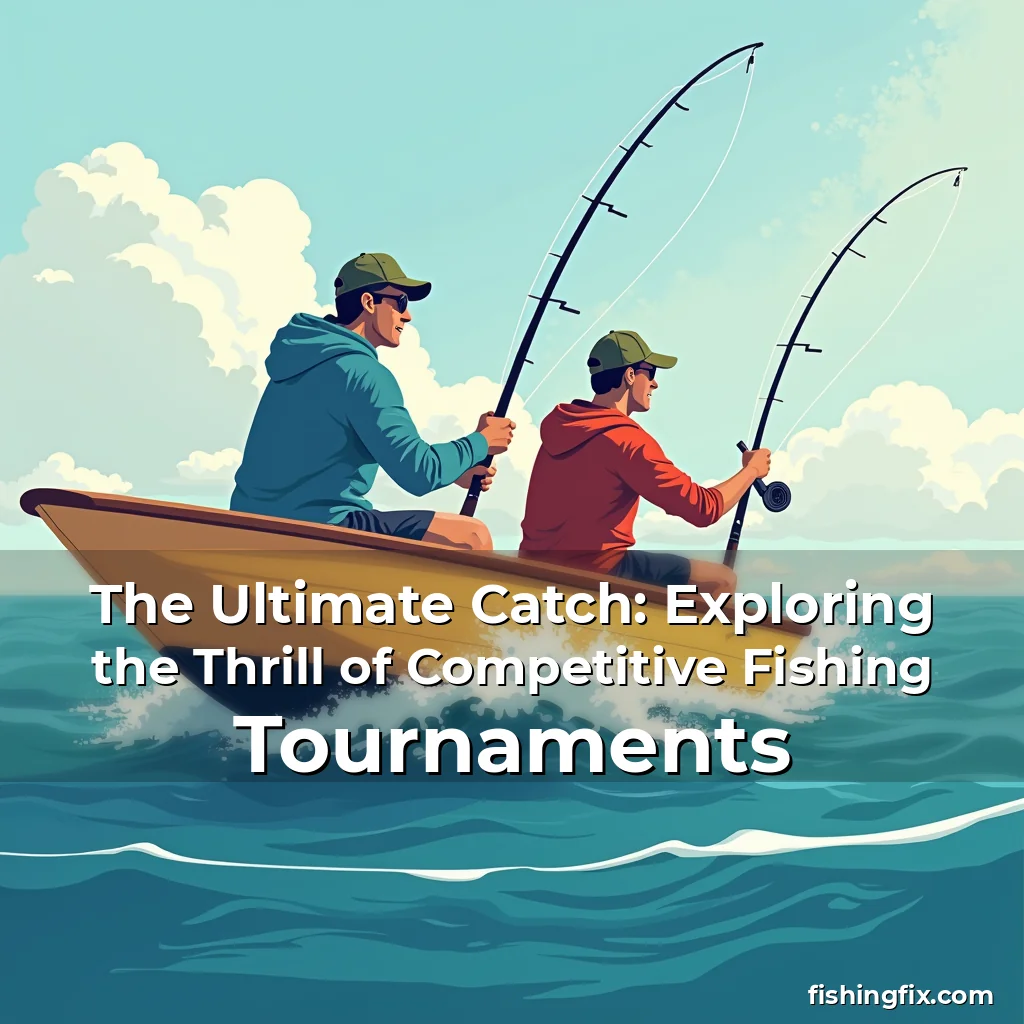
The Ultimate Catch: Exploring the Thrill of Competitive Fishing Tournaments
Fishing tournaments have evolved from simple weekend excursions to high-stakes competitions that attract thousands of participants each year. These events bring together anglers of all skill levels who compete not only for bragging rights but also for substantial prizes and recognition within the fishing community.
With the rise of professional fishing leagues and increased media coverage, these tournaments now offer an exciting blend of sport, strategy, and camaraderie. Whether you’re a seasoned pro or a casual angler looking for adventure, there’s something uniquely captivating about testing your skills against others in a competitive setting.
Understanding the Structure of Modern Fishing Tournaments
A typical fishing tournament follows a structured format designed to ensure fairness and excitement for both competitors and spectators alike. Organizers carefully plan event schedules, locations, and rules to create an environment where every participant has equal opportunity to succeed.
Most tournaments operate under time constraints, often lasting anywhere from half a day to several days depending on their scale and complexity. This timeframe allows organizers to balance competition intensity with participant safety and enjoyment without overextending anyone’s endurance.
Tournament formats can vary significantly based on regional preferences and available resources. Some events feature team-based challenges while others emphasize individual performance, creating diverse opportunities for different types of anglers to showcase their talents.
- Weight classes: Many tournaments categorize entries by boat size and equipment type to maintain competitive parity among participants.
- Species-specific categories: Specialized divisions allow anglers to demonstrate expertise in catching particular fish species prevalent in local waters.
The Evolution of Professional Fishing Competitions
In recent decades, professional fishing tournaments have transformed dramatically through technological advancements and growing industry investment. What was once considered a niche hobby is now recognized as a legitimate sporting discipline with its own governing bodies and sponsorships.
Major organizations such as FLW Outdoors and the Bassmaster Tournament Trail have played pivotal roles in standardizing regulations and promoting fair play across North America. Their efforts have helped establish consistent judging criteria and ethical guidelines that benefit both amateur and professional anglers.
Technological innovations have greatly enhanced the spectator experience at live events. High-definition broadcasting systems now provide real-time updates on weigh-ins and leaderboard changes, making even remote viewers feel connected to the action happening on-site.
Rising Popularity Among Younger Anglers
Youth participation rates in competitive fishing have shown steady growth since the early 2000s, driven largely by social media exposure and improved access to training programs. According to a 2022 report by the American Sportfishing Association, nearly 40% of new tournament entrants are between the ages of 18-35.
This demographic shift presents exciting opportunities for tournament organizers seeking to modernize traditional practices. By incorporating digital platforms for registration, results tracking, and virtual interactions, they can better engage younger generations who value convenience and connectivity in recreational activities.
Crafting Winning Strategies for Tournament Success
Succeeding in a fishing tournament requires careful preparation beyond simply having good gear and knowledge of local waterways. Effective strategies involve understanding weather patterns, current conditions, and seasonal variations that affect fish behavior.
Many top competitors spend months studying historical data before entering any major event. They analyze past winners’ techniques, examine environmental factors influencing fish movement, and identify potential hotspots where target species tend to congregate during peak seasons.
Team coordination plays a crucial role when competing in multi-person events. Successful teams develop clear communication protocols, assign specialized roles based on members’ strengths, and implement contingency plans for unexpected situations like changing weather conditions.
Evaluating Prize Structures and Financial Incentives
The prize money offered at fishing tournaments varies widely depending on event prestige, sponsorship deals, and location popularity. While some grassroots competitions may award modest cash prizes along with trophies, premier national events boast multimillion-dollar purses that draw elite talent worldwide.
Financial incentives extend beyond direct monetary rewards. Top performers gain valuable visibility through media appearances, endorsement opportunities with tackle companies, and invitations to prestigious invitation-only events featuring exclusive sponsors.
For many professional anglers, tournament earnings form a significant portion of their annual income. However, it’s essential to consider travel expenses, equipment maintenance costs, and other overhead associated with maintaining a competitive edge in this demanding field.
Navigating Tournament Rules and Ethical Considerations
All reputable fishing tournaments enforce strict rules aimed at preserving aquatic ecosystems while ensuring fair competition. Participants must adhere to catch-and-release policies for certain protected species and follow designated bag limits established by regulatory agencies.
Organizers use electronic monitoring systems to prevent rule violations, including GPS tracking devices on boats and video surveillance at weigh-in stations. These measures help maintain integrity while providing transparency for both contestants and observers.
Ethical considerations go beyond basic compliance; responsible anglers actively contribute to conservation efforts by participating in habitat restoration projects and advocating for sustainable fishing practices within their communities.
Choosing the Right Tournament Format for Your Skill Level
Selecting an appropriate tournament format depends heavily on personal goals, available resources, and comfort level with competitive environments. Novice anglers might start with local club events offering lower entry fees and less pressure than national championships.
Various classification systems exist to accommodate different abilities and interests. For instance, some tournaments separate entries by age groups, while others distinguish between freshwater and saltwater specialists based on their preferred fishing grounds.
Budget considerations also influence format selection. Entry fees range from minimal amounts covering basic operational costs up to thousands of dollars required for top-tier international events featuring world-class anglers vying for massive prize pools.
Maximizing Learning Opportunities Through Competition
Fishing tournaments serve as excellent educational experiences regardless of whether participants win or lose. Observing how experienced anglers approach various scenarios provides invaluable lessons in technique refinement and strategic decision-making.
Post-event debriefings often reveal critical insights about what worked well versus what could be improved upon next time around. Experienced mentors frequently take advantage of these moments to share practical advice tailored specifically to emerging talents.
Some tournaments incorporate workshops or seminars led by industry experts covering topics ranging from advanced rigging techniques to effective fish handling methods that minimize stress on captured specimens.
The Future of Fishing Tournaments in a Changing World
As climate change continues altering marine and freshwater ecosystems globally, future fishing tournaments will need to adapt accordingly while still maintaining core principles of sportsmanship and fair play. Rising sea temperatures and shifting migration patterns present new challenges for both organizers and participants alike.
Digital transformation offers promising solutions for overcoming logistical hurdles posed by increasingly unpredictable environmental conditions. Virtual reality technology may soon enable remote participation options that expand accessibility without compromising authenticity or competitive spirit.
Despite these inevitable changes, the fundamental appeal of measuring one’s skills against fellow enthusiasts remains unchanged. As long as people continue finding joy in the pursuit of the perfect catch, fishing tournaments will endure as vibrant celebrations of human connection with nature itself.
Conclusion
Fishing tournaments represent much more than just a test of angling ability—they embody our shared love for the outdoors and commitment to preserving natural habitats for future generations. From backyard ponds to international waters, these events foster community bonds while advancing ecological awareness.
To fully appreciate the magic behind competitive fishing, consider registering for an upcoming event near you. You might discover untapped potential within yourself or forge lifelong friendships with kindred spirits united by a common passion for the sport.