Salvaging Fish Populations in Colorado
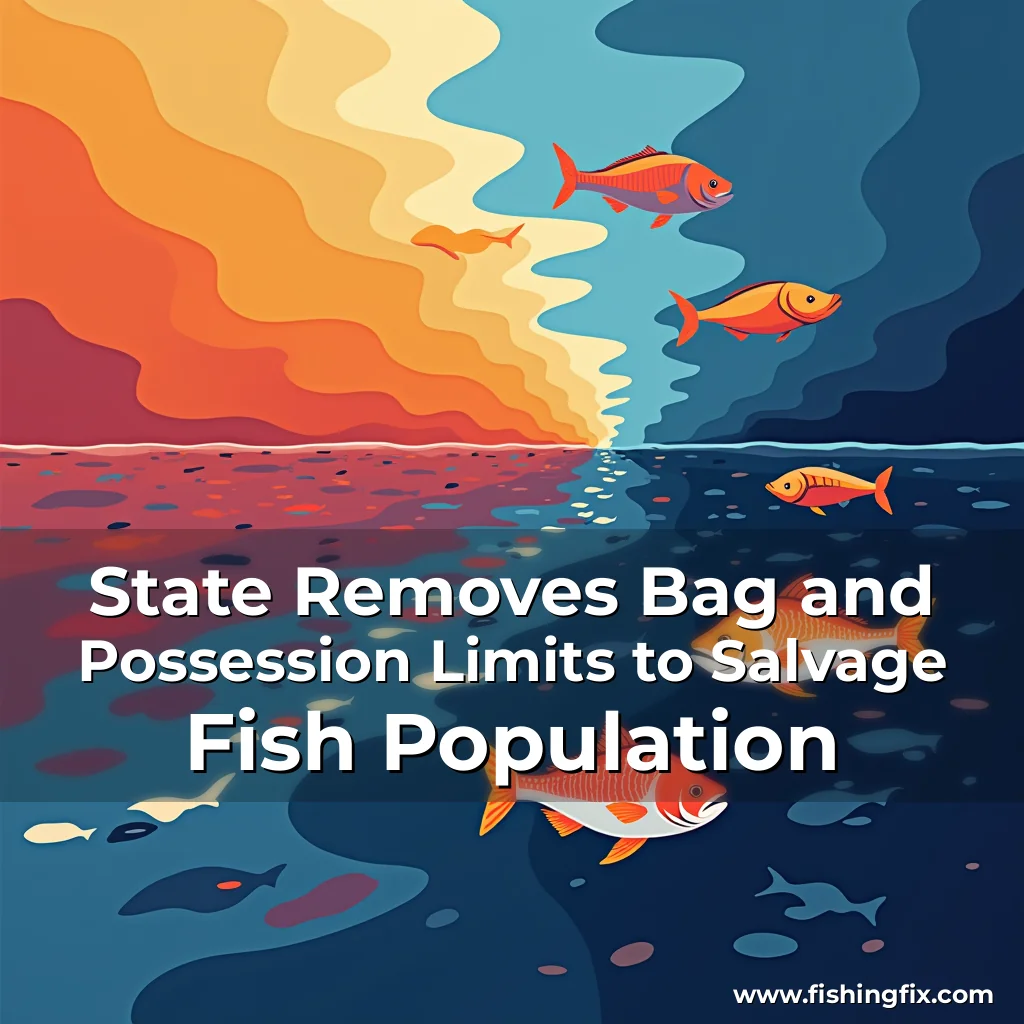
The Colorado Parks and Wildlife department has removed all bag and possession limits at Summit Reservoir in an effort to salvage fish populations after a headgate valve failed to close, causing the lake to drain.
| Key Points | Actions |
|---|---|
| Anglers may keep all fish they catch by lawful methods. | A 2025 Colorado fishing license is required. |
| Commercial fishing is not allowed. | It is illegal to capture and transport live fish from one body of water to another. |
The lake will be drained to a level that allows inspection of the underwater headgate and outlet. This operation will result in poor water quality conditions and loss of refuge habitat for fish, and CPW has determined that the reservoir cannot maintain a viable fishery until the reservoir is refilled.
Why the Draining is Necessary
The headgate valve failure caused the lake to drain, and this has resulted in a loss of fish. The fish are now in a dead pool area near the dam, which is the only area where they can be salvaged. The reservoir is at CPW’s Summit Reservoir State Wildlife Area, about 9 miles northwest of Mancos. The lake hosts populations of channel catfish, crappie, largemouth bass, perch and rainbow trout.
- The fish are in a dead pool area, making it difficult to access and salvage them.
- The rapid drawdown of the lake has resulted in a concentration of fish in one spot, making them easier to catch.
- The salvage operation is necessary to optimize the use of the fishery resource in accordance with Colorado Parks and Wildlife Commission regulations.
Salvage Operation Details
The salvage operation will take place at Summit Reservoir State Wildlife Area, and all anglers are invited to join. Anglers may keep all the fish they catch by lawful methods, including using up to two fishing rods. A 2025 Colorado fishing license is required.
“People gotta get here early in the morning to get a spot before it gets muddy,” said LaVeryle Apple, a fisher who was seated on a rock along the receding body of water.
The lake will be drained to a level that allows inspection of the underwater headgate and outlet. This operation will result in poor water quality conditions and loss of refuge habitat for fish, and CPW has determined that the reservoir cannot maintain a viable fishery until the reservoir is refilled.
Expert Insights
“The dead pool area where fish will be salvageable will be near the dam,” said Jim White, CPW Southwest Region Senior Aquatic Biologist. “We recommend anglers utilize that area to avoid slogging through the mud.”
Commercial fishing is not allowed, and it is illegal to capture and transport live fish from one body of water to another, CPW said.
Other Fishing Spots in the Area
Other fishing spots in the area include Puett Reservoir State Wildlife Area, Mancos State Park, Narraguinnep SWA and McPhee Reservoir.
By 10:30 a.m. about a dozen people could be seen fishing at the reservoir. The day’s catch had been far easier, said Brian Thomas, who had snagged about 20 fish, placing them in a bucket behind him.
“They’re all in one spot,” said Thomas of the lake’s fish. “Because of the rapid drawdown, accessing whatever dead pool remains to salvage fish alive to stock elsewhere is going to be extremely difficult,” said CPW Southwest Region Senior Aquatic Biologist Jim White.
LaVeryle Apple caught one crappie and one smallmouth bass. Apple learned about the day’s drainage based on a Facebook announcement.
“People gotta get here early in the morning to get a spot before it gets muddy,” Apple said.
Brian Thomas was at the reservoir Friday morning. Thomas had snagged about 20 fish, placing them in a bucket behind him.