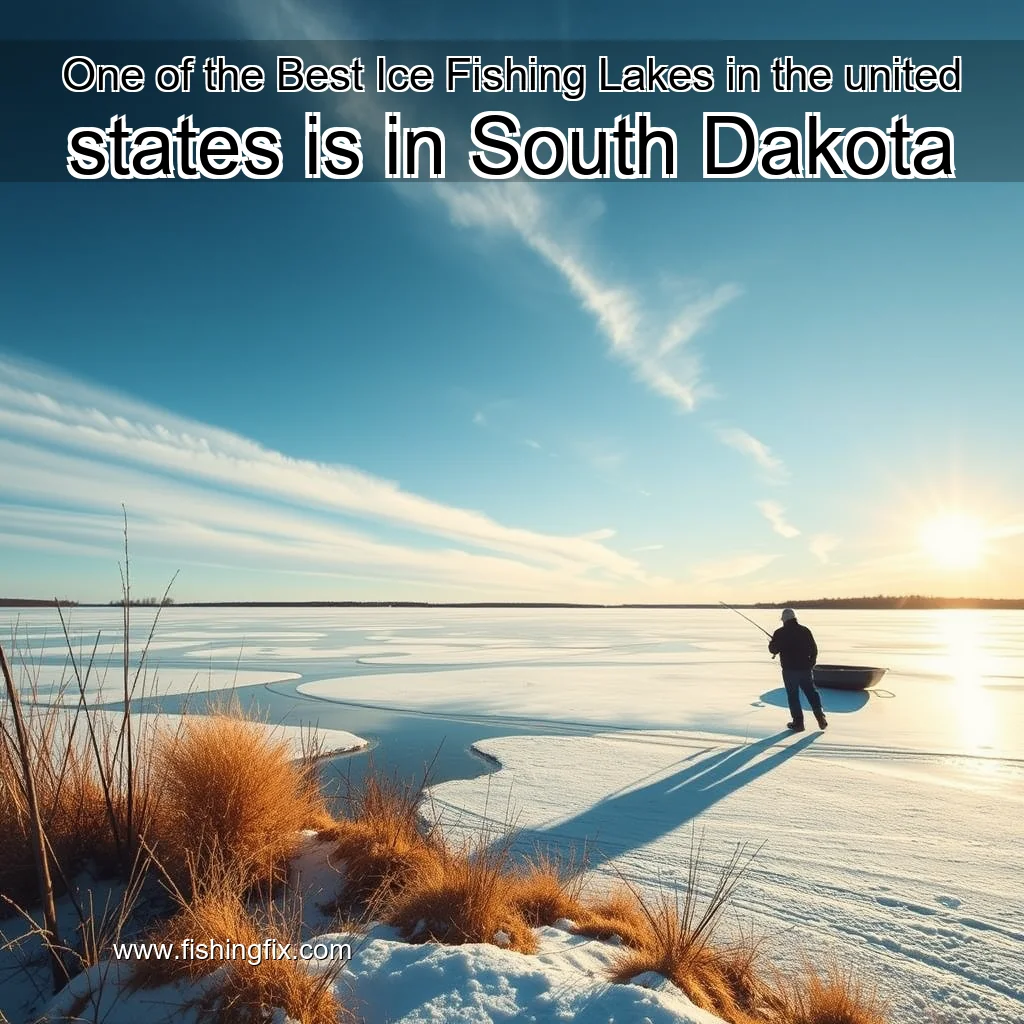
The reservoir is created by the construction of the Oahe Dam on the Missouri River. The reservoir is approximately 231 miles long and 1 mile wide, covering an area of 370,000 acres.
History of Lake Oahe
The construction of the Oahe Dam began in 1953 and was completed in 1958. The dam was built to control flooding and provide hydroelectric power. The reservoir was created by the impoundment of the Missouri River, which resulted in the displacement of thousands of people and the destruction of habitats for various wildlife species. The construction of the dam had a significant impact on the environment and local communities. The construction of the dam also led to the creation of new recreational opportunities, such as boating and fishing.*
Environmental Impact
The creation of Lake Oahe has had a significant impact on the environment. The reservoir has altered the natural flow of the Missouri River, affecting the habitats of various wildlife species. The reservoir has also led to the creation of new habitats for some species, such as the American white pelican.
Understanding Ice Thickness
Ice thickness is a critical factor in ice fishing. The thickness of the ice can vary greatly depending on the location, weather conditions, and time of year. In South Dakota, the ice thickness can range from a few inches to several feet, depending on the conditions. Factors that affect ice thickness: + Temperature: Warmer temperatures can lead to thinner ice. + Wind: Wind can cause the ice to break up and become thinner. + Water depth: Deeper water can lead to thicker ice. + Time of year: Ice thickness can vary depending on the time of year and the specific location.
Ice Fishing Safety
Ice fishing can be a fun and rewarding experience, but it’s essential to prioritize safety. Here are some tips to help you stay safe while ice fishing:
Ice Fishing Regulations
In South Dakota, ice fishing is regulated by the South Dakota Department of Game, Fish and Parks. Here are some key regulations to keep in mind: