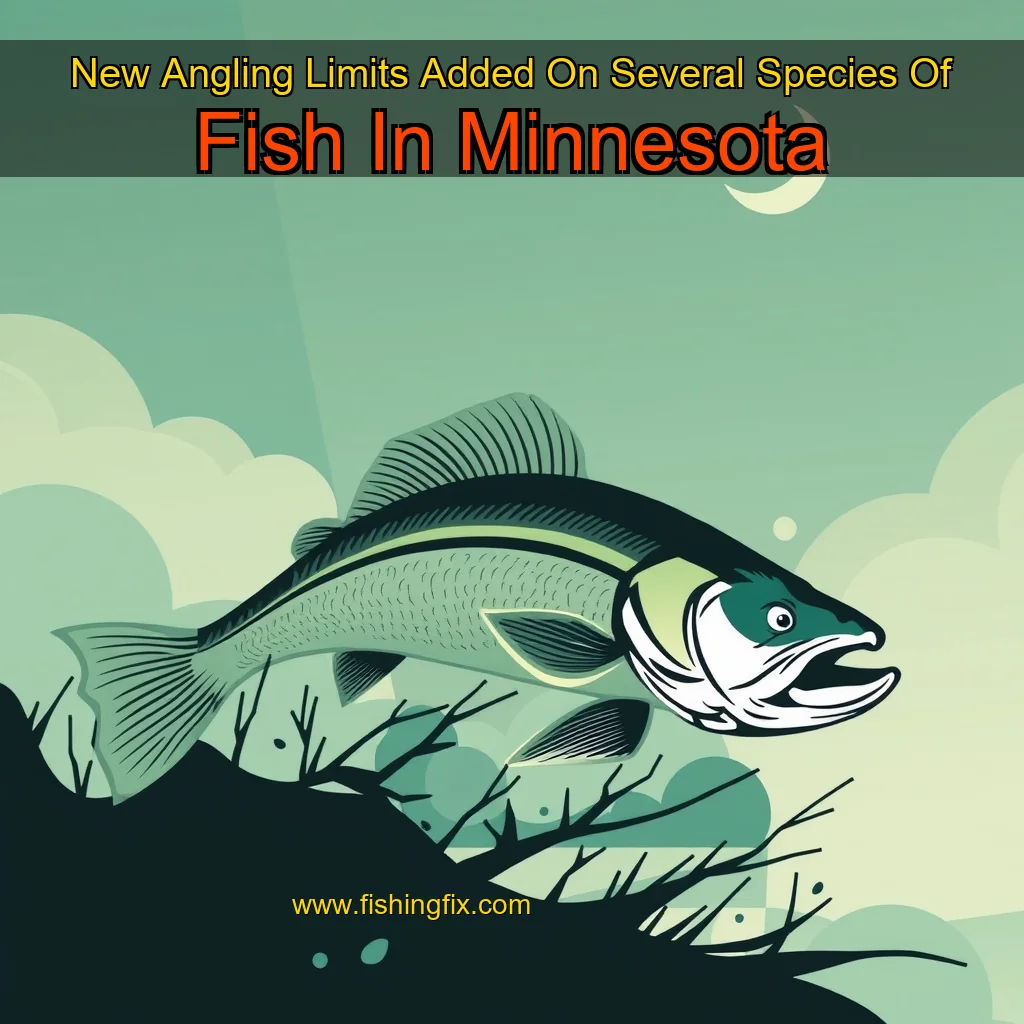
Walleye population management efforts aim to ensure a sustainable future for this iconic Minnesota species.
The changes will be implemented to help manage the walleye population in the state. The goal is to ensure the walleye population remains healthy and sustainable for future generations.
Walleye Population Management
The Minnesota Department of Natural Resources (DNR) has implemented changes to manage the walleye population in the state. The goal is to ensure the population remains healthy and sustainable for future generations. This effort is crucial, as walleye are an iconic species in Minnesota, and their population has been declining in recent years.
Daily and Possession Limits
The changes include newly established daily and possession limits for several species of fish. These limits will help regulate the number of fish that can be caught and kept, thereby preventing overfishing and maintaining a healthy population. Daily limits: + Lake trout: 3 fish per day + Lake sturgeon: 1 fish per day + Northern pike: 3 fish per day + Walleye: 3 fish per day
+ Lake trout: 6 fish per day + Lake sturgeon: 2 fish per day + Northern pike: 6 fish per day + Walleye: 6 fish per day
Why These Changes?
New fishing regulations aim to conserve and sustainably manage Minnesota’s aquatic resources.
The New Fishing Regulations
The Minnesota Department of Natural Resources (DNR) has recently implemented new fishing regulations to protect the state’s fish populations. These changes aim to conserve and sustainably manage the state’s aquatic resources.
Fish Species Affected
The new regulations apply to several fish species, including:
These fish species were previously classified as “rough fish,” which means they had no specific limits on the number of individuals that could be caught. However, the DNR has now established limits on the number of whitefish, cisco, and burbot that can be kept.
Rationale Behind the Changes
The DNR has implemented these changes to protect the populations of these fish species. Overfishing and habitat degradation have threatened the sustainability of these populations in the past. By establishing limits on the number of individuals that can be caught, the DNR aims to prevent overfishing and allow the populations to recover.
American Eel
The American eel is a rare fish species in Minnesota, and the DNR has decided not to allow any harvest of this species.
The new regulations also include provisions for the protection of endangered species, such as the northern spotted owl and the grizzly bear.
The New Regulations: A Comprehensive Overview
The recent changes to the regulations governing the St. Croix River and its border waters have significant implications for both the environment and the people living in the region. The new rules aim to protect the delicate ecosystem of the river and its surrounding areas, while also ensuring the safety and well-being of those who use the waterway.
Environmental Protection
The new regulations focus on environmental protection, with a particular emphasis on the preservation of the St. Croix River’s natural habitats. This includes measures to prevent pollution, protect endangered species, and maintain the river’s water quality. Key environmental provisions include: + Prohibitions on the use of certain chemicals and pollutants in the river + Requirements for the use of environmentally friendly fishing gear + Measures to protect and restore habitats for endangered species + Provisions for the monitoring and enforcement of environmental regulations
Human Safety and Well-being
In addition to environmental protection, the new regulations also prioritize human safety and well-being.
Stay Informed, Catch More: Update Your Knowledge of Minnesota’s Fishing Regulations.
Fishing Regulations Update
As the new fishing season approaches, Minnesota anglers are advised to check the state’s fishing regulations website for the latest updates. This is the best way to ensure that they have the most current information on fishing rules, regulations, and restrictions.
Key Changes
What to Expect
When visiting the state’s fishing regulations website, anglers can expect to find the following information:
Additional Resources
In addition to the state’s fishing regulations website, anglers can also find printed copies of the regulations at all license sales outlets.