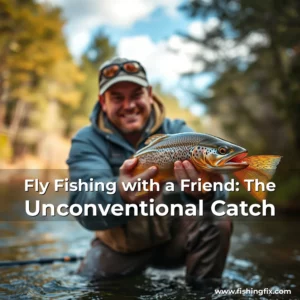
He has a line that is designed for fishing for trout in the lake’s deeper waters, and another for fishing for trout in the fly fishing lakes.
The Art of Fly Fishing with Different Lines
Fly fishing is a highly specialized and nuanced sport that requires a deep understanding of the water, the fish, and the tackle. One of the most critical components of fly fishing is the choice of fly line, which can greatly impact the success of a fishing trip.
Understanding the Different Types of Fly Lines
There are several types of fly lines, each designed for specific fishing conditions and techniques. Here are some of the most common types of fly lines:
“You don’t need a line that’s going to get you into trouble. You need a line that’s going to get you into the fish.”
The Art of Choosing the Right Line
Choosing the right line is a crucial aspect of stillwater fly fishing. It’s not just about selecting a line that looks good or is the latest model; it’s about finding the perfect balance between durability, sensitivity, and weight. A good line should be able to withstand the rigors of the water, yet be light enough to allow the angler to feel even the slightest tug from a fish. Key considerations when choosing a line: + Durability: Can the line withstand the forces of the water and the fish? + Sensitivity: Can the line detect even the slightest movement or tug? + Weight: Is the line light enough to allow the angler to feel the fish’s movements?
The Three-Part System
Rowley recommends a three-part system for lake anglers: a floating line, a sinking line, and a leader.
Understanding the Basics of Stillwater Fly Fishing
Stillwater fly fishing is a unique and rewarding experience that requires a different set of skills and techniques compared to moving water fishing. The key to successful stillwater fly fishing lies in understanding the basics of the sport. Reading the Water: Before casting, it’s essential to read the water and understand the layout of the lake. Look for areas with structure, such as drop-offs, weed beds, and sunken logs, as these tend to hold fish. Choosing the Right Gear: The right equipment is crucial for stillwater fly fishing. A good stillwater rod, reel, and line are necessary for casting and presenting flies effectively. * Understanding Fly Selection: Different types of flies are suited for different conditions and fish species. For example, dry flies are ideal for surface feeding fish, while nymphs are better suited for subsurface feeding.**
Mastering the Art of Casting
Casting is a critical component of stillwater fly fishing. A well-cast line can make all the difference in landing a fish. Here are some tips for mastering the art of casting:
Lakes offer a more peaceful and serene fishing experience compared to rivers.
Additionally, lakes are generally more peaceful and serene than rivers, which can be chaotic and fast-paced.
The Benefits of Fishing Lakes
Fishing lakes offer a unique set of benefits that make them an attractive option for anglers. Some of the advantages of fishing lakes include:
The Unique Challenges of Fishing Lakes
While fishing lakes offers many benefits, it also presents some unique challenges that anglers need to be aware of. Some of the challenges of fishing lakes include:
He is a master of the art of fly fishing, and his enthusiasm is contagious.
The Art of Bobber Fishing
Bobber fishing is a popular technique used in fly fishing that involves using a floating bobber to suspend a fly or lure at a specific depth. The goal is to entice a fish to bite the bait, and then set the hook. In this article, we will explore the key components of bobber fishing, including bobber stops, tippet rings, and swivels.
Understanding Bobber Stops
A bobber stop is a device that allows you to adjust the depth of the bobber. It is typically a small metal or plastic piece that is attached to the leader and the bobber. By adjusting the bobber stop, you can control the depth at which the bobber floats. There are two main types of bobber stops: fixed and adjustable. Fixed bobber stops are simple devices that do not allow for any adjustment. Adjustable bobber stops, on the other hand, allow you to fine-tune the depth of the bobber.
Tippet Rings and Swivels
Tippet rings and swivels are essential components of bobber fishing. A tippet ring is a small metal ring that is attached to the end of the leader and the bobber. It serves as a connection point for the tippet line, which is the line that connects the bobber to the fly or lure.
Swivels are also useful for adding a bit of weight to a leader to help sink lines or sink tips.
The Benefits of Using Swivels in Fly Fishing
Swivels are a crucial component in fly fishing, and their benefits are numerous. They offer a simple way to add tippet to a leader, which is essential for effective fly fishing. In this article, we will explore the benefits of using swivels in fly fishing, including their ability to add weight, improve presentation, and enhance the overall fishing experience.
Adding Weight to a Leader
One of the primary benefits of using swivels is their ability to add weight to a leader.