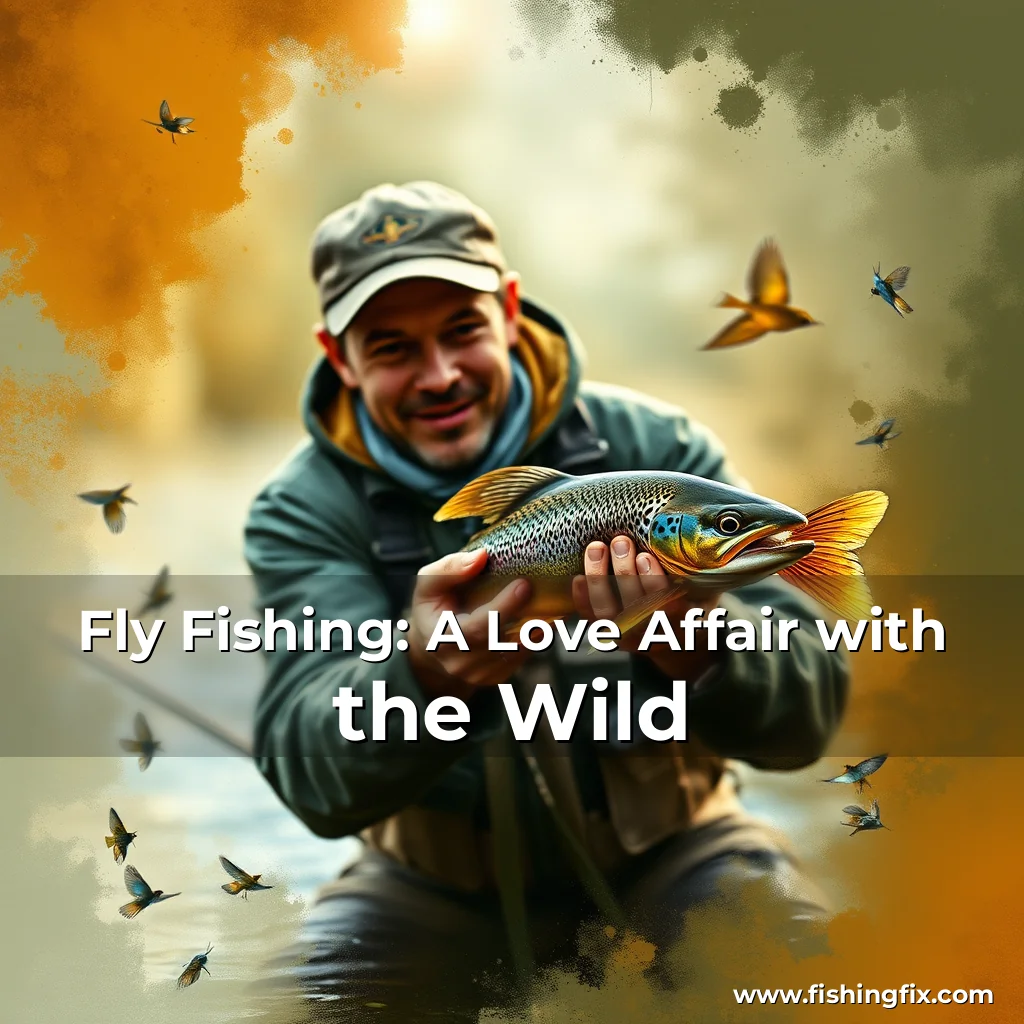
Fly fishing is a sport that has captivated the hearts of many anglers worldwide. With its serene and peaceful atmosphere, it’s no wonder why many people have fallen in love with the thrill of reeling in a fish on a fly rod. However, as I recently discovered through my involvement with group websites that celebrate “fly fishing”, there are also some common misconceptions and negative behaviors that can harm the environment and the fish themselves. One of the most striking things about the fly fishing community is the apparent disdain for stocked fish. Many fly anglers seem to view stocked fish as inferior and unworthy of their attention. This sentiment is not unique to fly fishing, as many anglers tend to look down on fish that are not caught using their preferred method. The truth is, stocked fish can thrive and become wild fish, providing a sustainable source of food for both humans and wildlife. Another common misconception is the notion that fly fishing is the only “right” way to fish. While some anglers do enjoy the thrill of catching and keeping fish, others may prefer to eat their limits or focus on catch-and-release fishing. Each approach has its own set of required skills and techniques, and there is no one-size-fits-all approach to fishing. In fact, many anglers enjoy the challenge of learning new techniques and adapting to different fishing environments.
- Some anglers enjoy the thrill of the catch-and-keep approach, where they eat their limit and enjoy the fresh fish for dinner.
- Others prefer the challenge of catch-and-release fishing, where they release the fish back into the water to ensure the sustainability of the fish population.
- Then there are those who enjoy the art of fly fishing, where they use specialized rods and lines to catch fish using a fly.
Despite the diversity of approaches to fishing, there is a growing concern about the negative impact of fishing practices on the environment. One of the most significant issues is the practice of taking selfies with fish, which can lead to unnecessary stress and even death for the fish. This is not just a matter of aesthetics; it’s also a matter of ethics. When we take selfies with fish, we’re not just taking a picture of a fish, we’re also taking a picture of the suffering and stress that the fish is experiencing. The problem with taking selfies with fish is that it can lead to unnecessary stress and even death. When we drag fish onto shore, in the dirt, gravel, and grass, we can cause them to suffocate and die. Long minutes of the fish out of water can also lead to lactic acid buildup, which can discourage the fish from feeding and ultimately lead to their demise.
| Technique | Description |
| Net handling | Using a net with a loose plastic fabric can help prevent the removal of protective mucous from the fish’s skin, reducing the risk of disease and infection. |
| Forceps | Using forceps to carefully remove hooks can help minimize stress and injury to the fish. |
| Battle time | Keeping battles to under 5 minutes can help minimize stress and injury to the fish. |
In conclusion, fly fishing is a beautiful and rewarding sport that can bring joy and fulfillment to those who participate in it. However, it’s also important to approach the sport with a sense of responsibility and respect for the environment and the fish. By understanding the importance of catch-and-release fishing, choosing the right techniques, and minimizing stress and injury to the fish, we can help ensure the long-term sustainability of fish populations and the health of our ecosystems. “The best way to catch a fish is to let it go.”
— Montana Grant
As an avid angler and advocate for catch-and-release fishing, I’ve seen firsthand the impact that negative fishing practices can have on the environment and the fish themselves. By adopting a more responsible and respectful approach to fishing, we can help ensure the long-term sustainability of fish populations and the health of our ecosystems. So, the next time you’re out on the water, remember to keep a clicker in your pocket and use it to count the number of fish caught, rather than taking a picture of every fish that you catch.