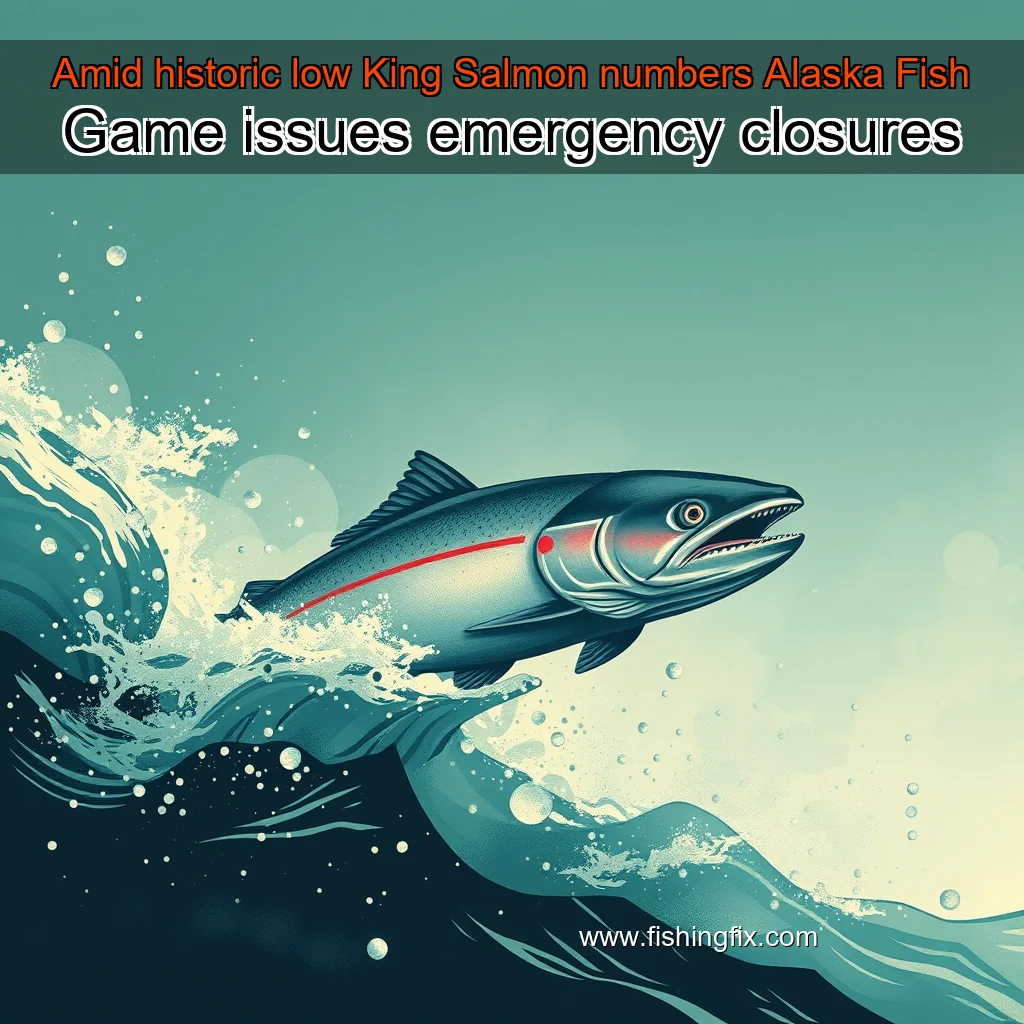
The ADF&G also released an emergency order limiting sport fishing for the late run of the Sockeye from the Kenai River.
Ocean productivity is a major challenge for managing escapement numbers for various fish species.
The Struggle is Real: Understanding Ocean Productivity
The Alaska Department of Fish and Game (ADF&G) is facing a significant challenge in managing escapement numbers for various fish species. The main culprit behind this struggle is ocean productivity, which refers to the rate at which the ocean produces new life. In the context of salmon, ocean productivity is crucial for maintaining healthy populations. However, the ADF&G is finding it difficult to accurately predict and manage escapement numbers due to the complexities of ocean productivity.
The Preseason Warning
The preseason action serves as a warning for anglers to be aware of the potential challenges they may face during the upcoming fishing season. The ADF&G uses preseason surveys to estimate the number of fish that will be available for harvest. However, these estimates are often based on historical data and may not accurately reflect the current ocean productivity. Factors that can affect ocean productivity include: + Climate change + Ocean acidification + Overfishing + Habitat degradation
The Impact of Ocean Productivity on Escapement Numbers
Ocean productivity has a direct impact on escapement numbers. When ocean productivity is high, more fish are produced, and the number of fish that escape to spawn is higher.
The Great Return of the Salmon
The Pacific Northwest, particularly the coastal regions of Washington and Oregon, has long been a haven for salmon. These magnificent creatures have been migrating through the area for centuries, playing a crucial role in the ecosystem and supporting the local economy. However, in recent years, a disturbing trend has emerged: salmon are returning to freshwater habitats sooner than expected.
The Cause of the Phenomenon
Several factors are contributing to this anomaly. Rising ocean temperatures, changes in ocean chemistry, and increased acidity are making it difficult for salmon to survive in saltwater environments.
The Impact of Climate Change on Fish Populations
Climate change is having a profound impact on fish populations worldwide. Rising temperatures, ocean acidification, and changes in ocean currents are altering the habitats and ecosystems that fish depend on.