The Fight for Sustainable Angling in Howe Sound
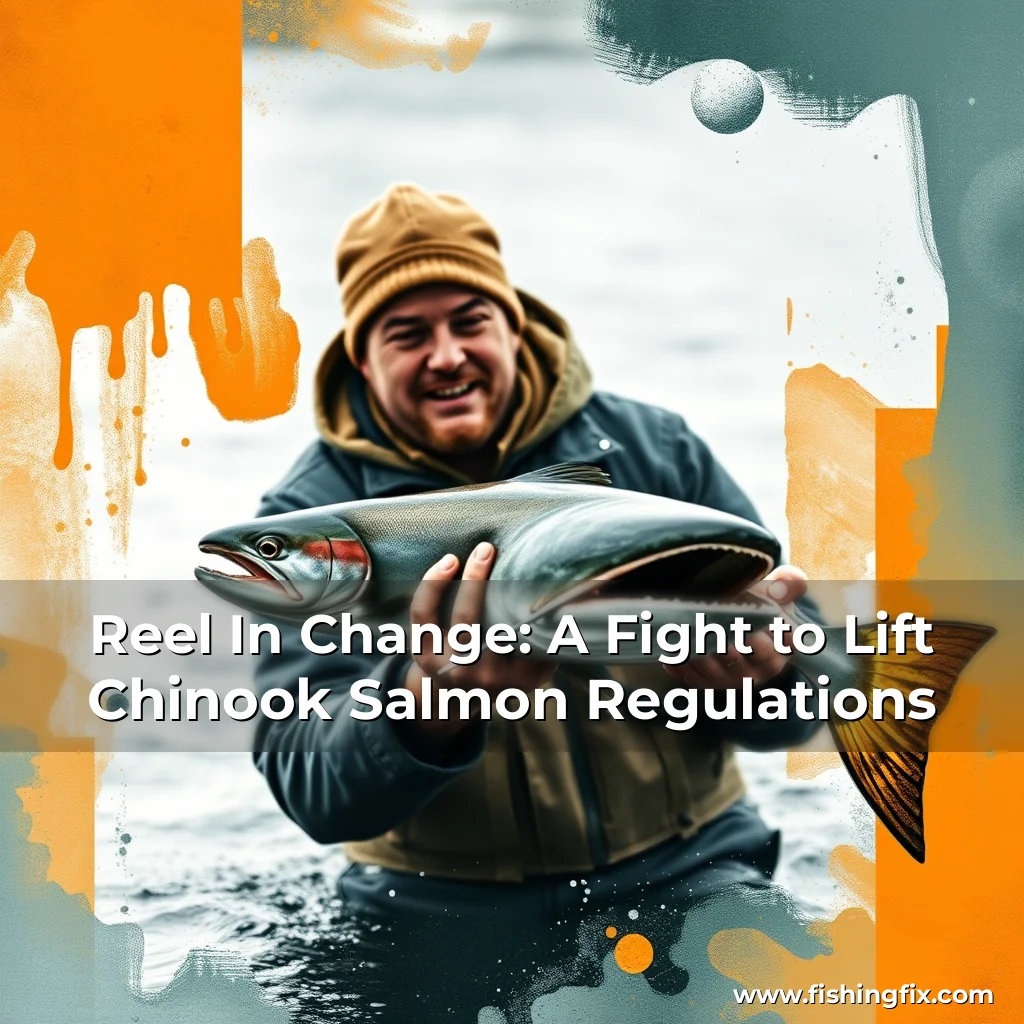
Jason Assonitis, a fishing guide in British Columbia’s Howe Sound, and Dave Brown, chair of the Squamish-Lillooet Sport Fish Advisory Committee, have been advocating for a change in regulations that would allow for the harvesting of chinook salmon in the area since 2019.
Background on the Proposal
Since April 1, 2019, people have been banned from catching chinook in the south coast fishery. The ban was put in place to prevent the harvesting of wild chinook salmon, which are listed as a species of concern. The proposed changes would allow for the retention of hatchery chinook in portions of Howe Sound in 2026, from April 1 to May 30.
What’s at Stake
The two anglers believe that the current regulations are being implemented without sufficient data to support them. They argue that the fishery is not a high-risk zone for wild chinook stocks, and that the abundance of hatchery salmon in the area suggests that the fishery is sustainable.
First Nations’ Perspective
Squamish Nation council member Wilson Williams does not support the recreational retention of hatchery chinook in Átl’ḵa7tsem (Howe Sound). The Átl’ḵa7tsem and Squamish River population of chinook salmon is listed as data deficient by DFO, and the nation does not have enough information to support a change from the current recreational regulations.
Conservation Concerns
Williams stated that conservation of a fisheries resource and access to FSC (food, social, and ceremonial) fishing rights come before commercial and recreational rights. He added that if there is an abundance in hatchery fish, it’s beholden on DFO to increase Squamish Nation FSC allocations before any increases to recreational access are made.
Williams also highlighted the endangered status of southern resident killer whales, which rely primarily on chinook salmon for survival. Only 73 resident killer whales remain, and collecting fish DNA from the area could potentially harm wild chinook and hatchery chinook below the size limit.
Assonitis and Brown believe that they have data to support opening fishing in the area. They have been volunteering their time to sample and collect DNA from the fish in the area, and they claim that the ocean conditions in the Howe Sound are thriving with herring anchovies, whales, and sea lions.
Assonitis said that anglers are conservationists who want to see the stocks thrive. They believe that the ocean conditions in the Howe Sound are healthy and that the fishery is sustainable. Brown suggested that if people want to get involved or are passionate about fishing, they can join the Public Fishery Alliance.
The Department of Fisheries and Oceans (DFO) has consulted broadly on the use of Mark Selective Fisheries (MSF) as a fishery management tool. A DFO spokesperson stated that the department is considering advice from First Nations and stakeholders on how best to use MSF regulations in the future.
As of now, anglers can still fish for coho salmon and pink salmon after June 1 in the area. However, the chinook salmon fishery remains closed. Assonitis believes that Howe Sound is an exceptional candidate for this new proposed fishing area.
The closure of the chinook salmon fishery has decimated the local economy. Many anglers have sold their boats and are no longer fishing. The sport fishing industry in British Columbia is a billion-dollar industry, and the loss of modest chinook retention opportunities is having a significant impact on the local community.
The fight for sustainable angling in Howe Sound is ongoing. Anglers, First Nations, and the government must work together to find a solution that balances conservation and harvest. The fate of the chinook salmon fishery in Howe Sound hangs in the balance, and it remains to be seen whether the proposed changes will be implemented.