IUU Fishing: A Growing Concern in Vietnam
IUU fishing has become a significant issue in Vietnam, with the country’s fishing industry facing severe consequences. The problem is not limited to Vietnam alone, as IUU fishing affects many countries worldwide. However, Vietnam’s geographical location and extensive coastline make it particularly vulnerable to IUU fishing activities.
The Impact of IUU Fishing on Vietnam’s Fishing Industry
Anti- IUU Fishing Measures in Go Cong Dong District
The Go Cong Dong district, located in the Mekong Delta region of Vietnam, has taken significant steps to combat illegal, unreported, and unregulated (IUU) fishing in its waters. The district, which is home to 704 offshore fishing vessels, has implemented a range of measures to prevent IUU fishing and protect the marine environment.
Legal Training for Fishing Vessels
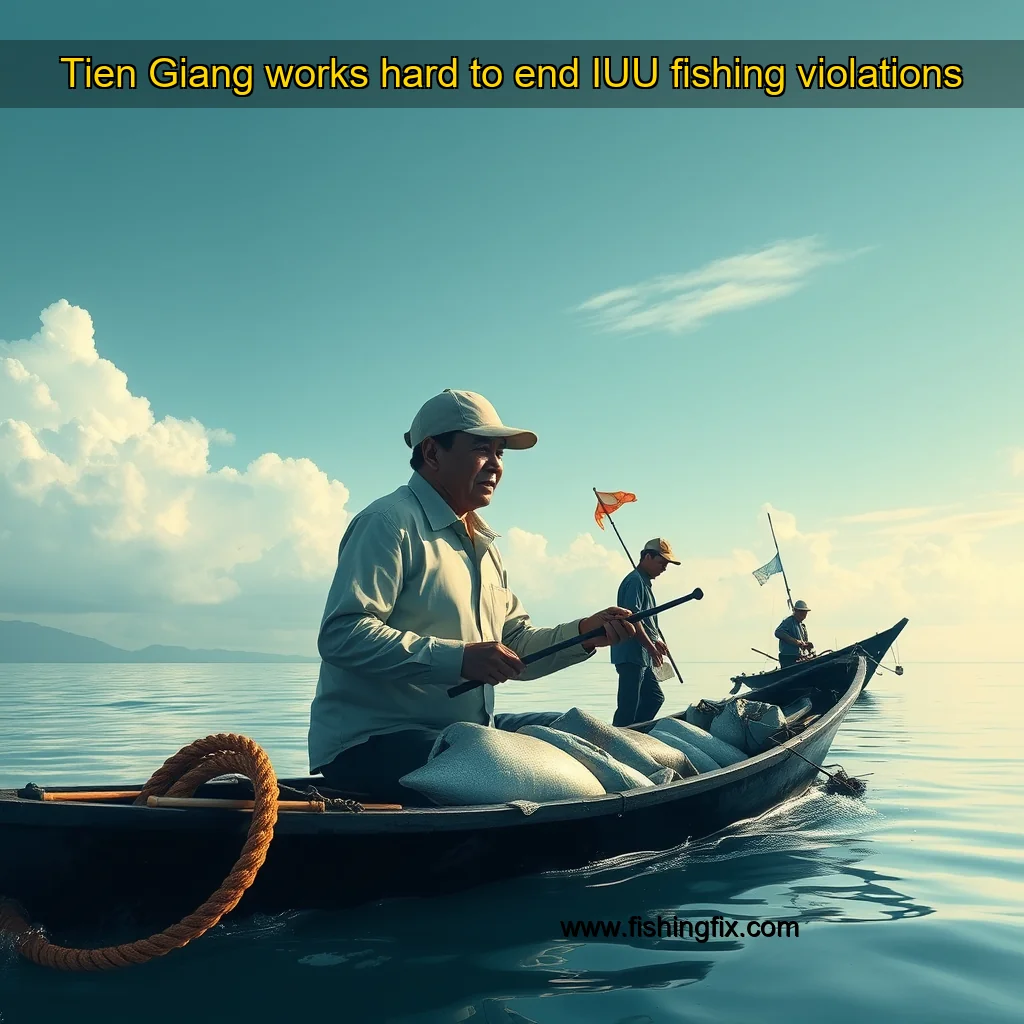
One of the key measures implemented by the Go Cong Dong district is the provision of legal training for its fishing vessels. The Tien Giang Border Guard Command has collaborated with relevant agencies to provide training to the fishing vessels, which has helped to raise awareness among the fishing community about the importance of adhering to the law.
Education and awareness programs have also been implemented to inform fishermen of the importance of adhering to international regulations.
Step 1: Understanding the context of vessel commitments and maritime sovereignty
Vessel owners and operators are required to sign commitments before engaging in offshore activities, which involves pledging not to violate neighbouring countries’ maritime sovereignty. This commitment is essential to ensure compliance with international maritime laws and regulations. Maritime sovereignty refers to the exclusive rights and jurisdiction that a country has over its territorial waters and the seabed. Violating these rights can lead to severe consequences, including fines, penalties, and damage to a country’s reputation.
Step 2: The importance of VMS devices and inspection
VMS (Vessel Monitoring System) devices are mandatory for vessels engaged in offshore activities. These devices track the vessel’s location, speed, and direction, and transmit this information to a central database. The inspection of VMS devices before departure is crucial to ensure that they are functioning correctly and that the vessel is complying with regulations.
The VMS System: A Key to Effective Monitoring
The VMS system is a critical component of the province’s efforts to monitor and manage fishing activities. The system allows for real-time tracking of fishing vessels, enabling authorities to quickly respond to any potential issues. With the VMS system, authorities can:
Benefits of the VMS System
The VMS system has numerous benefits for the province and the fishing industry. Some of the key advantages include: