Getting Started
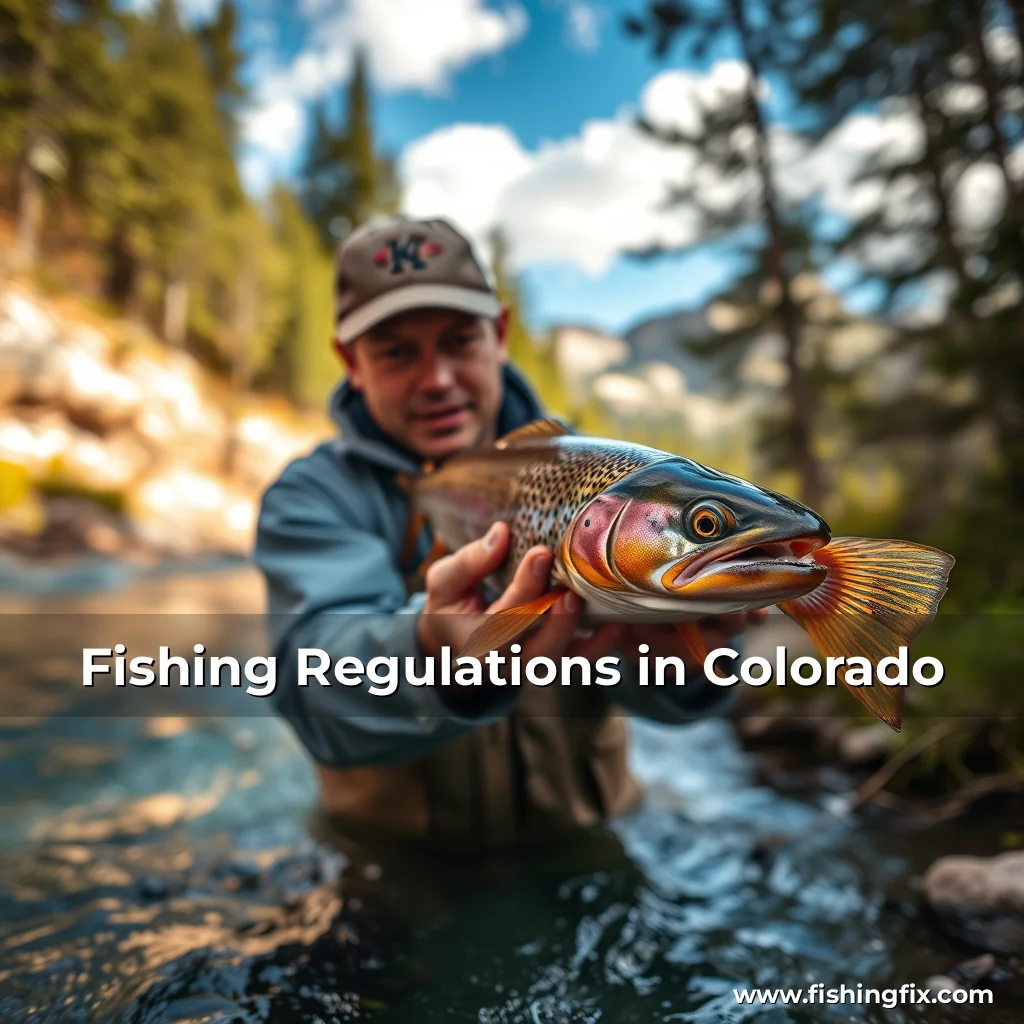
Before you begin your fishing adventure in Colorado, it’s essential to understand the state’s fishing regulations. These regulations are in place to ensure the sustainability of Colorado’s fish populations and to provide a fair experience for all anglers.
License Requirements
Fishing in Colorado requires a valid fishing license, which can be purchased online or at a local license vendor. The cost of a fishing license varies depending on the duration of the license and the angler’s residency status.
- Single-day licenses: $16.72
- Year-long licenses: $42.91
Licenses and Stamps
A single fishing license covers one angler and one fishing rod. However, an additional stamp can be purchased at the time of license purchase to allow for a second fishing rod. This stamp costs an additional $12.98.
- License: $42.91 (year-long license)
- Second rod stamp: $12.98
Each license holder is limited to a single second rod. The second rod stamp is not transferable between anglers.
Bag Limits and Possession Limits
Bag limits are the maximum number of fish an angler can take in a day, regardless of the type of fish. Possession limits, on the other hand, are the maximum number of fish an angler can possess at any given time.
- Bag limits are fish-specific and vary depending on the type of fish being caught.
- Possession limits are also fish-specific and vary depending on the type of fish being caught.
It’s essential to familiarize yourself with Colorado’s bag limits and possession limits to avoid any fines or penalties.
Western Colorado Fishing
Western Colorado offers a unique fishing experience, with cold-water fish such as rainbow and brook trout found at high elevations like the Grand Mesa. Warmer-blooded fish such as brown trout, smallmouth bass, mountain whitefish, and pike can be found in the state’s rivers and reservoirs.
| Fishing Spot | Fish Species |
|---|---|
| Grand Mesa | Rainbow and brook trout |
| Rivers and reservoirs | Brown trout, smallmouth bass, mountain whitefish, and pike |
Before you head out on the water, make sure to check the local fishing regulations and obtain any necessary permits or licenses.
Conclusion
Fishing in Colorado can be a rewarding experience, but it’s essential to understand the state’s fishing regulations to ensure a safe and enjoyable experience for all anglers.