With the changing seasons, the fish populations and habitats change, presenting both opportunities and challenges for anglers.
Spring Fishing in New York State
Understanding the Changes in Fish Populations and Habitats
As the weather warms up, fish populations and habitats undergo significant changes. This shift affects the types of fish that are active, the locations where they can be found, and the techniques used to catch them. Warmer water temperatures: As the water temperature rises, fish become more active and start to move into shallower waters. This is especially true for species like trout, which are sensitive to cold water temperatures. Changes in baitfish populations: The warmer waters also attract baitfish, which in turn attract larger predators like bass and pike. This can lead to an increase in fishing pressure and competition for anglers.
The Problem of Invasive Species
Invasive species are non-native animals that have been introduced to an ecosystem, often with devastating consequences. Goldfish, in particular, have become a significant problem in many lakes and rivers across the United States. When released into the wild, goldfish can grow to enormous sizes, outcompeting native species for food and habitat. They can grow up to 12 inches in length and weigh up to 1 pound, making them a formidable predator in the wild. Goldfish are voracious eaters, consuming large quantities of algae, insects, and small fish. They can also outcompete native species for food and habitat, leading to a decline in biodiversity.
The Impact on Native Species
The introduction of goldfish to the wild has a significant impact on native species.
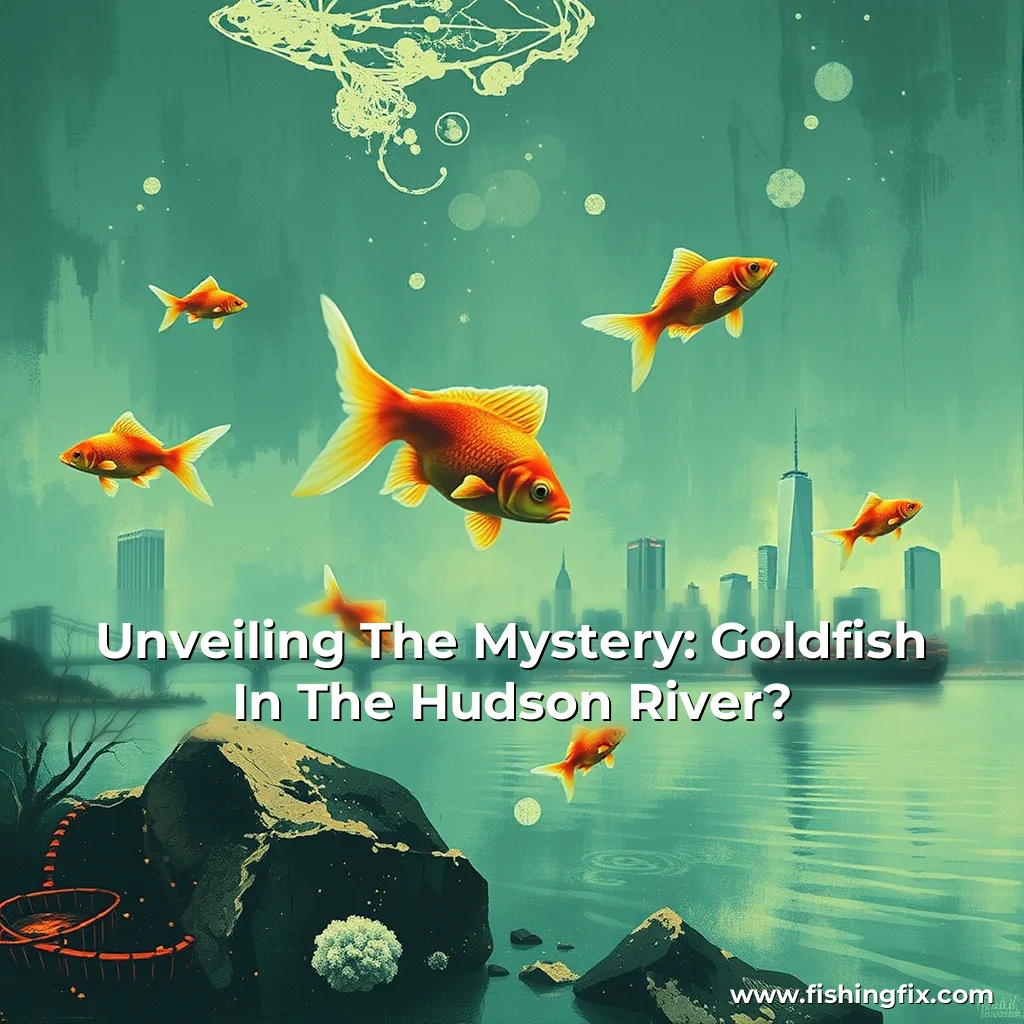
Goldfish are a silent killer in the Hudson River, threatening native species and ecosystems.
The survey found that goldfish are not only an invasive species but also a significant threat to the native species in the Hudson River. They are known to outcompete native species for food and habitat, and their presence can lead to a decline in biodiversity.
The Impact of Goldfish on Native Species
Goldfish are a significant threat to the native species in the Hudson River. Here are some ways in which goldfish impact native species:
The Role of Humans in the Spread of Goldfish
Humans play a significant role in the spread of goldfish in the Hudson River. The release of pets and possibly escaping bait buckets are two common ways in which goldfish are introduced to the river.
Free Fishing Days in New York State
New York State offers a unique opportunity for residents and visitors to enjoy freshwater fishing without the cost of a fishing license.