The Majesty of Marlin: A Deep Sea Angler’s Journey Through Oceanic Realms
In the vast blue expanse where sunlight dares not penetrate, an ancient dance unfolds between predator and prey. This is the world of deep sea fishing, where seasoned anglers chase elusive giants through waters that have remained unchanged since prehistoric times.
Beneath the surface lies a realm teeming with life forms unlike anything found on land. Here, bioluminescent creatures flicker like stars in their own galaxy while monstrous fish patrol the depths, waiting patiently for the right moment to strike.
Diving Into the Abyss: Essential Equipment for Deep Sea Excursions
A successful deep sea expedition begins long before casting your first line. The right gear can mean the difference between catching a trophy fish and returning empty-handed after hours of effort.
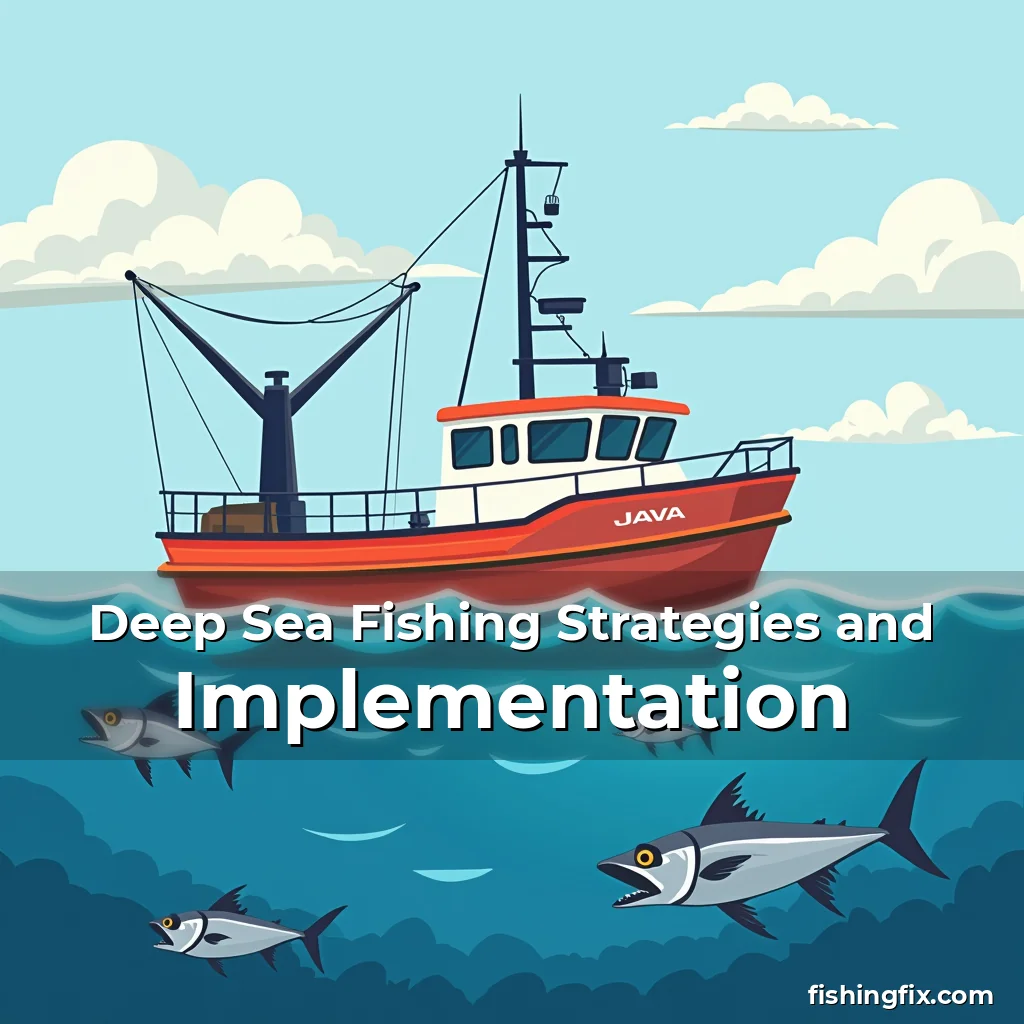
Choosing the appropriate boat is crucial. Modern sportfishing vessels range from sleek center consoles designed for speed to spacious offshore yachts equipped with every luxury imaginable. These boats must be built to withstand rough seas and provide stability when battling powerful marine life.
Reel selection requires careful consideration as well. High-capacity reels featuring sturdy drag systems are essential for handling large species like marlins and tuna. Brands such as Shimano and Penn offer models specifically engineered for deep sea conditions.
Fishing lines need to be strong enough to withstand tremendous pressure yet flexible enough to avoid snapping during intense fights. Braided superlines provide excellent strength-to-diameter ratios while fluorocarbon leaders help prevent visibility issues in clear water.
- Lure Selection: Natural baits like live baitfish work best for predatory species, but artificial lures including metal jigs and soft plastics also prove effective depending on target species.
- Tackle Storage: Keeping tackle organized with rod holders, fighting chairs, and emergency kits ensures quick access during critical moments at sea.
Mastering the Art: Techniques That Yield Big Game
Deep sea fishing demands specialized techniques tailored to the behavior patterns of oceanic predators. Understanding these methods increases your chances of landing a prized catch without unnecessary struggle.
Casting strategies vary based on species targeted. For example, trolling involves dragging lures behind moving vessels to mimic injured prey, attracting fast-swimming game fish like swordfish and mahi-mahi.
Jigging techniques require precise movements to entice deep-water dwellers such as grouper and snapper. Using weighted jigs allows anglers to reach optimal depths where these fish often reside.
Safety protocols are paramount when dealing with massive specimens. Always maintain control over the fight by using proper retrieve techniques and keeping tension steady on the line to prevent break-offs.
Unveiling the Depths: Marine Life Encounters Beyond the Catch
While the primary goal may be landing a record-breaking fish, deep sea excursions offer unforgettable encounters with marine wildlife beyond what appears on the scale.
Encountering manta rays gliding effortlessly beneath the waves provides a humbling reminder of nature’s grandeur. Schools of flying fish leap dramatically out of the water, creating a spectacle rivaling any circus act.
Even underwater cameras reveal hidden worlds filled with vibrant coral reefs hosting exotic reef fish that remain unseen until viewed through the lens of technology.
These experiences enrich each journey, transforming simple fishing trips into profound explorations of our planet’s most mysterious ecosystems.
Navigating the Currents: Weather Wisdom for Open Water Adventures
Successful deep sea expeditions depend heavily on understanding weather patterns and current behaviors. Mother Nature plays a significant role in determining both safety and success rates.
Monitoring barometric pressure changes helps predict incoming storms. Sudden drops indicate approaching bad weather which could jeopardize even the most experienced crews.
Wind direction affects wave height and swell patterns; knowing how these forces interact enables better route planning and anchor placement decisions.
Current charts show movement directions across different ocean zones, allowing skippers to position themselves strategically near productive feeding grounds.
Feeding Grounds Decoded: Locating Prime Fishing Zones
Identifying profitable fishing areas requires knowledge of oceanographic features that attract food sources. These hotspots become magnets for hungry game fish seeking easy meals.
Seamounts create upwellings bringing nutrient-rich waters from deeper levels, attracting schools of baitfish that in turn draw larger predators. Such structures make ideal locations for targeting big-game species.
Edgy coastlines often harbor productive fisheries due to varying salinity levels caused by freshwater runoff mixing with saltwater environments.
Using sonar equipment combined with GPS tracking allows modern fishermen to map out potential spots accurately before setting sail.
Preservation Practices: Handling Your Prize Safely
Once landed, preserving the integrity of your catch becomes vital whether you plan to release it back into the ocean or prepare it for consumption later.
Gentle handling prevents physical damage that might reduce meat quality significantly. Avoiding prolonged exposure to air maintains freshness by minimizing oxygen contact.
For released fish, using dehooking tools reduces injury risk while ensuring they’re given time to recover fully before being set free.
Proper storage solutions include ice slurry systems that rapidly chill catches without freezing them solidly, maintaining texture and flavor characteristics effectively.
Ethical Angling: Responsible Practices for Sustainable Seas
As stewards of our oceans, responsible angling practices ensure future generations can enjoy the same bounty we do today. Ethical considerations extend far beyond simply releasing unwanted catches.
Adhering to local regulations regarding size limits, seasonal closures, and catch quotas protects vulnerable populations from overexploitation.
Participating in tagging programs contributes valuable data helping scientists track migration routes and population health indicators crucial for conservation efforts.
Minimizing environmental impact includes avoiding single-use plastics whenever possible and properly disposing of waste materials generated during trips.
Community & Culture: The Human Element Behind the Rod
Behind every great catch stands a network of passionate individuals dedicated to advancing the art of deep sea fishing. From manufacturers crafting cutting-edge gear to guides sharing invaluable expertise, this community thrives on shared experiences.
Local charter services connect newcomers with expert captains who possess intimate knowledge of regional fishing grounds and conditions. Their guidance proves indispensable especially for those unfamiliar with open water dynamics.
Online forums and social media groups serve as virtual meeting places where enthusiasts exchange tips, showcase trophies, and discuss emerging trends shaping the industry landscape.
This sense of camaraderie strengthens bonds among participants regardless of skill level, fostering mutual respect rooted in common interests and challenges faced daily aboard vessels drifting upon endless horizons.
Conclusion
From mastering technical aspects to embracing ethical responsibilities, deep sea fishing offers much more than just recreational value—it invites us into a profound relationship with Earth’s last frontier.
Whether pursuing personal records or simply enjoying time spent outdoors, remember always to approach each excursion with reverence towards nature’s wonders while respecting its delicate balance maintained through mindful participation.