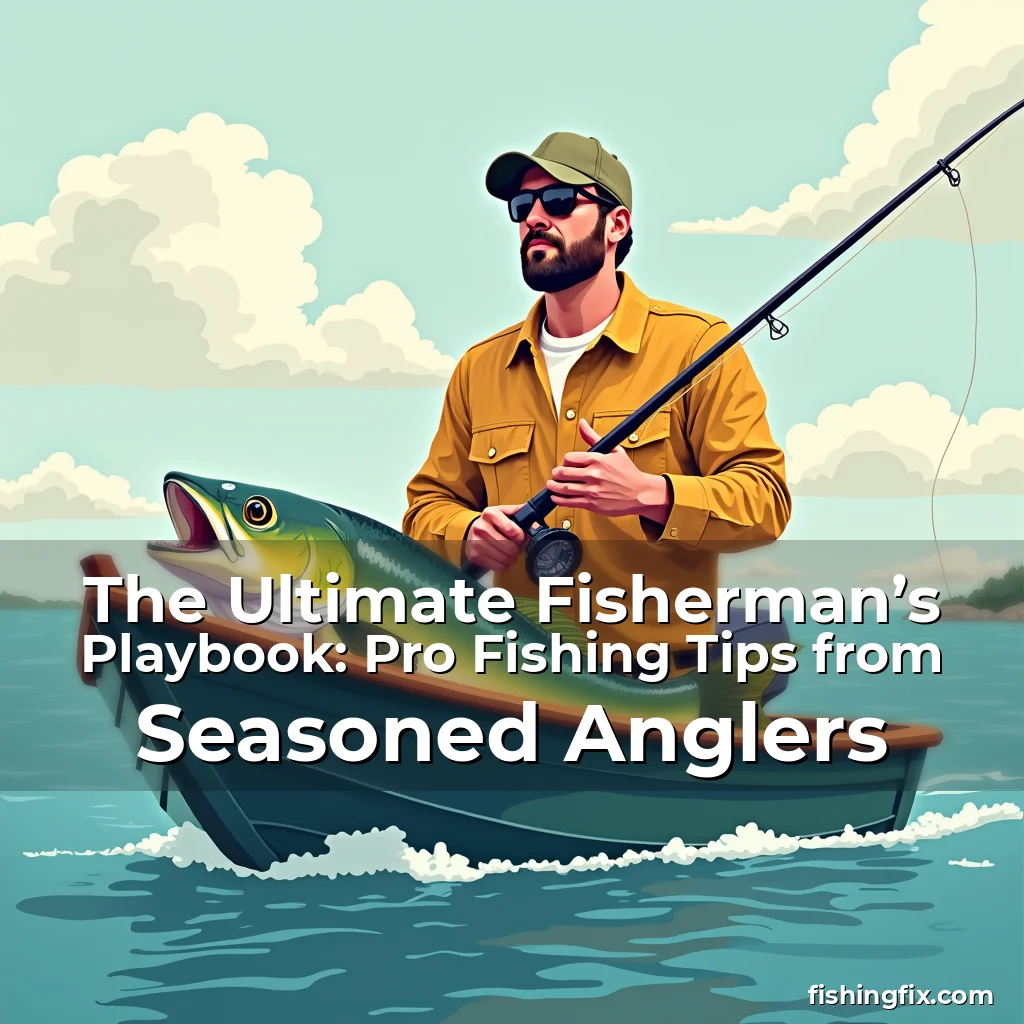
The Ultimate Fisherman’s Playbook: Pro Fishing Tips from Seasoned Anglers
Fishing is an ancient art that blends patience, skill, and knowledge of nature’s rhythms. Whether you’re casting your line at dawn by the lake or exploring coastal waters during high tide, mastering essential techniques can transform casual outings into successful expeditions.
This guide compiles expert-approved strategies, equipment insights, and environmental awareness tactics tailored specifically for both novice anglers and seasoned professionals seeking fresh perspectives on improving their catch rates.
Mastering Your Equipment Selection
Selecting the right gear isn’t just about brand names or flashy features; it’s about matching tools to target species and environments. A lightweight spinning reel paired with braided line might be perfect for freshwater bass but could falter when targeting deep-sea marlin due to strength requirements.
Understanding tackle compatibility ensures you don’t waste time reeling in undersized fish while missing out on bigger prizes. Consider factors like water depth, current speed, and bait type when choosing rods, reels, and lines.
- Rod Power: Match rod power ratings with expected fish size – medium-heavy rods work well for most gamefish species
- Line Strength: Fluorocarbon lines offer superior abrasion resistance compared to monofilament in rocky areas
Choosing the Perfect Bait Strategy
Bait selection often determines success more than any other single factor. Live baits like nightcrawlers or minnows mimic natural prey movements better than artificial lures in many situations. However, soft plastics can be equally effective when fished correctly.
Tidal patterns significantly influence bait effectiveness. For example, during incoming tides, crabs become more active near shorelines making them excellent live bait choices for striped bass and flounder.
Seasonal Bait Preferences
Springtime spawning migrations change predator behavior dramatically. In early spring, shad spawn near river mouths creating feeding frenzies that attract larger predatory fish. Using shad-colored soft plastics during these periods can yield exceptional results.
Summer months demand different approaches as fish seek cooler depths. Lure colors shift toward darker shades that contrast against murky water conditions prevalent during peak heat periods.
Reading Water Conditions Like a Pro
Water clarity, temperature gradients, and surface disturbances reveal crucial clues about where fish are likely to congregate. Thermocline layers form distinct boundaries between warm upper zones and colder lower depths affecting oxygen levels available to aquatic life.
Observe how light filters through the water column – sudden changes indicate underwater structures that may hold trophy specimens. Surface ripples caused by wind or nearby activity also suggest potential feeding zones.
Casting Techniques That Deliver Results
Proper casting mechanics reduce unnecessary wear on equipment while maximizing reach. Focus on smooth wrist motion rather than arm strength when launching your lure across open water. This technique preserves line integrity and improves accuracy.
Adjust casting distance based on prevailing winds. When facing strong crosswinds, cast slightly upwind so the lure drifts naturally back towards your intended target area without requiring excessive retrieval effort.
Leveraging Weather Patterns Effectively
Atmospheric pressure fluctuations impact fish behavior more profoundly than commonly realized. Falling barometric pressure typically increases feeding activity as fish sense approaching storms. Rising pressure tends to make fish more cautious and less willing to strike.
Wind direction provides additional predictive value. Northerly winds push warmer surface water southward along coastlines, creating thermally stratified zones where trout and salmon concentrate during transitional seasons.
Advanced Retrieval Methods
Varying retrieve speeds keeps predators engaged by simulating injured prey movement patterns. Fast retrieves create erratic flashes that trigger strikes from aggressive feeders like muskie and pike. Slow steady retrieves imitate wounded baitfish struggling in shallow waters.
Experiment with stop-and-go techniques to provoke curiosity responses. Pausing mid-retrieval allows scent dispersion which can entice even lethargic fish hiding in deeper cover.
Optimizing Shore-Based Fishing Spots
Shoreline locations require special consideration regarding access points and structure availability. Look for submerged logs, rock piles, or weed beds extending from banks since these provide shelter and breeding grounds for various species.
Pier fishing benefits greatly from understanding tidal cycles. During low tides, certain spots expose underwater structures that were previously inaccessible. These newly revealed habitats often contain concentrated schools of fish ready to attack.
Boat-Based Tactics for Open Waters
Moving boats allow greater flexibility in covering new territory quickly. Employ GPS markers to track productive zones identified earlier in the season. Revisiting these hotspots during changing weather patterns frequently yields impressive catches.
Use sonar technology to locate fish aggregations beneath the surface. Modern fish finders display real-time data showing school formations, depth preferences, and structural interactions that inform optimal trolling speeds and lure placements.
Conservation Practices Every Angler Should Know
Sustainable fishing requires respecting seasonal restrictions and size limits established by local authorities. Removing oversized individuals helps maintain healthy population balances within ecosystems. Always check regulations before setting out on any trip.
Practice catch-and-release properly by minimizing handling time and using appropriate dehooking tools. Wetting hands before touching fish reduces stress and prevents scale damage critical for survival after release.
Building Lasting Skills Through Experience
Regular practice hones instincts that differentiate average fishermen from experts. Keep detailed journals recording what worked under particular conditions – weather patterns, moon phases, bait types used successfully.
Join local angling clubs to share experiences and learn from others’ successes and failures. Mentorship programs connect beginners with experienced guides who provide personalized instruction tailored to individual learning styles.
Conclusion
From selecting the right gear to reading subtle environmental cues, every aspect contributes to becoming a proficient angler. The journey involves continuous learning through experimentation and observation of nature’s intricate signals.
Remember that each fishing experience builds upon previous knowledge. By applying these strategic principles consistently, you’ll develop skills that elevate your enjoyment and success rate regardless of location or season.
“`html
The Ultimate Fisherman’s Playbook: Pro Fishing Tips from Seasoned Anglers
Fishing is an ancient art that blends patience, skill, and knowledge of nature’s rhythms. Whether you’re casting your line at dawn by the lake or exploring coastal waters during high tide, mastering essential techniques can transform casual outings into successful expeditions.
This guide compiles expert-approved strategies, equipment insights, and environmental awareness tactics tailored specifically for both novice anglers and seasoned professionals seeking fresh perspectives on improving their catch rates.
Mastering Your Equipment Selection
Selecting the right gear isn’t just about brand names or flashy features; it’s about matching tools to target species and environments. A lightweight spinning reel paired with braided line might be perfect for freshwater bass but could falter when targeting deep-sea marlin due to strength requirements.
Understanding tackle compatibility ensures you don’t waste time reeling in undersized fish while missing out on bigger prizes. Consider factors like water depth, current speed, and bait type when choosing rods, reels, and lines.
- Rod Power: Match rod power ratings with expected fish size – medium-heavy rods work well for most gamefish species
- Line Strength: Fluorocarbon lines offer superior abrasion resistance compared to monofilament in rocky areas
Choosing the Perfect Bait Strategy
Bait selection often determines success more than any other single factor. Live baits like nightcrawlers or minnows mimic natural prey movements better than artificial lures in many situations. However, soft plastics can be equally effective when fished correctly.
Tidal patterns significantly influence bait effectiveness. For example, during incoming tides, crabs become more active near shorelines making them excellent live bait choices for striped bass and flounder.
Seasonal Bait Preferences
Springtime spawning migrations change predator behavior dramatically. In early spring, shad spawn near river mouths creating feeding frenzies that attract larger predatory fish. Using shad-colored soft plastics during these periods can yield exceptional results.
Summer months demand different approaches as fish seek cooler depths. Lure colors shift toward darker shades that contrast against murky water conditions prevalent during peak heat periods.
Reading Water Conditions Like a Pro
Water clarity, temperature gradients, and surface disturbances reveal crucial clues about where fish are likely to congregate. Thermocline layers form distinct boundaries between warm upper zones and colder lower depths affecting oxygen levels available to aquatic life.
Observe how light filters through the water column – sudden changes indicate underwater structures that may hold trophy specimens. Surface ripples caused by wind or nearby activity also suggest potential feeding zones.
Casting Techniques That Deliver Results
Proper casting mechanics reduce unnecessary wear on equipment while maximizing reach. Focus on smooth wrist motion rather than arm strength when launching your lure across open water. This technique preserves line integrity and improves accuracy.
Adjust casting distance based on prevailing winds. When facing strong crosswinds, cast slightly upwind so the lure drifts naturally back towards your intended target area without requiring excessive retrieval effort.
Leveraging Weather Patterns Effectively
Atmospheric pressure fluctuations impact fish behavior more profoundly than commonly realized. Falling barometric pressure typically increases feeding activity as fish sense approaching storms. Rising pressure tends to make fish more cautious and less willing to strike.
Wind direction provides additional predictive value. Northerly winds push warmer surface water southward along coastlines, creating thermally stratified zones where trout and salmon concentrate during transitional seasons.
Advanced Retrieval Methods
Varying retrieve speeds keeps predators engaged by simulating injured prey movement patterns. Fast retrieves create erratic flashes that trigger strikes from aggressive feeders like muskie and pike. Slow steady retrieves imitate wounded baitfish struggling in shallow waters.
Experiment with stop-and-go techniques to provoke curiosity responses. Pausing mid-retrieval allows scent dispersion which can entice even lethargic fish hiding in deeper cover.
Optimizing Shore-Based Fishing Spots
Shoreline locations require special consideration regarding access points and structure availability. Look for submerged logs, rock piles, or weed beds extending from banks since these provide shelter and breeding grounds for various species.
Pier fishing benefits greatly from understanding tidal cycles. During low tides, certain spots expose underwater structures that were previously inaccessible. These newly revealed habitats often contain concentrated schools of fish ready to attack.
Boat-Based Tactics for Open Waters
Moving boats allow greater flexibility in covering new territory quickly. Employ GPS markers to track productive zones identified earlier in the season. Revisiting these hotspots during changing weather patterns frequently yields impressive catches.
Use sonar technology to locate fish aggregations beneath the surface. Modern fish finders display real-time data showing school formations, depth preferences, and structural interactions that inform optimal trolling speeds and lure placements.
Conservation Practices Every Angler Should Know
Sustainable fishing requires respecting seasonal restrictions and size limits established by local authorities. Removing oversized individuals helps maintain healthy population balances within ecosystems. Always check regulations before setting out on any trip.
Practice catch-and-release properly by minimizing handling time and using appropriate dehooking tools. Wetting hands before touching fish reduces stress and prevents scale damage critical for survival after release.
Building Lasting Skills Through Experience
Regular practice hones instincts that differentiate average fishermen from experts. Keep detailed journals recording what worked under particular conditions – weather patterns, moon phases, bait types used successfully.
Join local angling clubs to share experiences and learn from others’ successes and failures. Mentorship programs connect beginners with experienced guides who provide personalized instruction tailored to individual learning styles.
Conclusion
From selecting the right gear to reading subtle environmental cues, every aspect contributes to becoming a proficient angler. The journey involves continuous learning through experimentation and observation of nature’s intricate signals.
Remember that each fishing experience builds upon previous knowledge. By applying these strategic principles consistently, you’ll develop skills that elevate your enjoyment and success rate regardless of location or season.
“`